

Msport Deposit Methods for Nigerian Users
💰 Learn how to fund your Msport account easily from Nigeria using bank transfers, USSD, e-wallets like OPay & more. Avoid delays and start betting smooth today! ⚽
Edited By
Emeka Nwankwo
Msport Nigeria keeps the pulse on the Nigerian sports scene alive with regular updates and sharp insights into current events, key player performances, and league developments. Whether you're a bettor tracking form and fitness, an analyst seeking trends, or a sports journalist needing the latest scoop, this section covers what truly matters.
Over the past weeks, Msport Nigeria has highlighted a few standout stories shaping the local sports season:
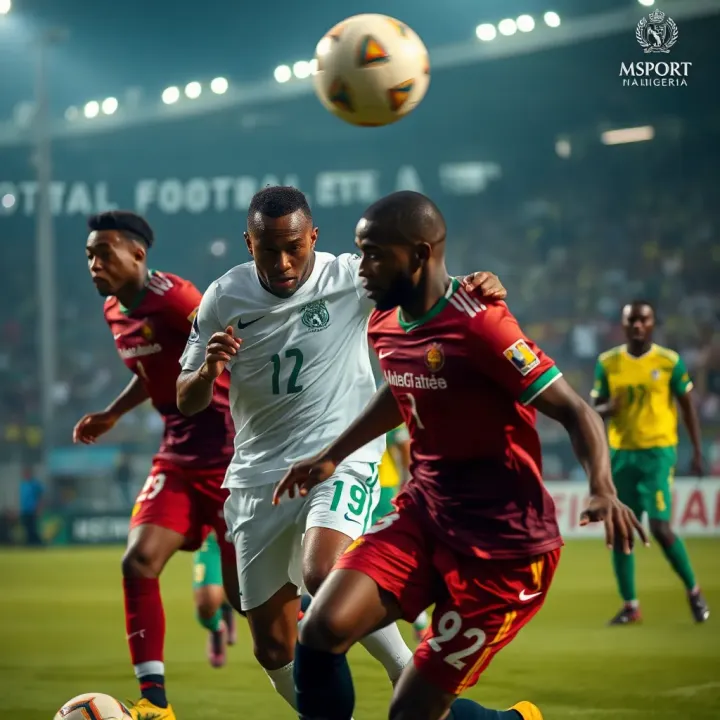
Domestic League Updates: The Nigerian Professional Football League (NPFL) has seen some exciting matches, with Kano Pillars and Enyimba locking horns fiercely at the top of the table. Msport continues to bring detailed match analyses and tactical breakdowns that help readers understand each game’s turning points.
Player Spotlights: Rising stars from the leagues, like midfielder Chukwuma Okoro and striker Ifeanyi Eze, have been under close scrutiny. Msport provides not only their stats but also insights into their playing styles and potential career trajectories.
Basketball Scene Growth: The Nigerian Basketball League (NBL) is gaining more traction, and reports focus on players such as Dipo Akinwolemiwa, who recently scored a career-high in the playoffs.
National Team Affairs: Updates on preparations by the Super Eagles for upcoming AFCON qualifiers include training camp reports, injury news, and coach interviews.
Stay ahead with Msport Nigeria’s expert analysis. Whether it's league reshuffles or player form, their coverage equips you with the facts needed for better decision-making and deeper understanding.
This ongoing coverage serves as a vital source for anyone following Nigerian sports — from bettors evaluating odds, to accountants managing club finances, journalists crafting stories, students researching sports development, or analysts mapping competitive trends.
By focusing on verified facts, in-depth stats, and exclusive expert opinions, Msport Nigeria offers realistic, actionable insights without fluff. Readers can expect timely updates that help make sense of the rapid-paced local sports activities.
In essence, this platform is bridging the gap between raw sports news and practical knowledge, ensuring fans and professionals stay informed and ready for what’s next in Nigerian sports.
Current highlights from Msport Nigeria give you a clear picture of the fast-moving sports landscape. Keeping tabs on these events is key for bettors looking to make informed wagers, journalists reporting accurately on sports developments, and analysts seeking data trends. For instance, following recent Nigerian Professional Football League (NPFL) matches helps bettors predict likely outcomes based on team form and player availability.
The NPFL is the heart of Nigerian football, featuring top clubs competing intensely for the championship. This month, crucial fixtures are shaping league standings, with teams like Kano Pillars and Enyimba battling for points. For sports accountants and analysts, these matches provide insights into financial implications for clubs, especially with sponsorship deals tied to team performance. Also, the high attendance figures and broadcasting rights influence revenue streams significantly.
Basketball leagues and athletics meets continue to gain prominence nationwide. The Nigeria Basketball Federation recently orchestrated competitive games in Lagos that showcased grassroots talents, essential for scouting and training future stars. Athletics competitions in Abuja and Lagos present opportunities for athletes to qualify for international meets. Students and sports managers focus on these to understand athlete development paths and talent grooming strategies within the country.
The Super Eagles’ scheduled friendlies and Africa Cup of Nations qualifiers are critical for gauging the team's readiness against continental rivals. These matches are vital not only for fans but also for journalists and analysts monitoring player form and coaching tactics. Moreover, performances here affect Nigeria’s FIFA ranking, which in turn impacts qualification prospects and sponsorship deals for the football federation.
Several local league players have emerged as key performers recently. For example, Sikiru Olatunbosun’s consistent goal-scoring in NPFL has attracted attention from scouts abroad. This has practical relevance for agents and clubs considering transfer moves, plus media coverage highlighting local talent’s rise, which boosts league popularity.
In basketball, players like Chima Moneke represent the new wave making waves on and off the court, inspiring youth participation in sports. Such rising stars are essential in drawing commercial sponsorships and enhancing the profile of secondary sports. Their performances also influence youth development programmes and community sports club activities across Nigeria.
This month saw new records in the national athletics championships, such as Blessing Okagbare’s sprint times, reaffirming Nigeria’s sprinting dominance. Documenting these achievements informs statisticians and sports historians while motivating younger athletes. Records also attract funding and support for sports science programmes aimed at improving performance.
Keeping up with these highlights enriches understanding of Nigerian sports' current pulse and helps stakeholders make informed decisions. Whether for betting, reporting, or managing sports affairs, such up-to-date insights are irreplaceable.
In summary, current highlights shed light on active competitions, player progress, and national team dynamics. They provide practical insights that affect financial, media, and developmental aspects of Nigerian sports, making them essential for anyone involved in the sports sector.
Msport League updates and developments hold significant value for fans, analysts, and bookmakers alike. These updates provide insight into how structural changes, transfers, and management shifts influence the flow of the league season. Keeping track of these elements helps you make informed predictions, understand the dynamics behind team performances, and follow the evolving landscape of Nigerian sports leagues closely.
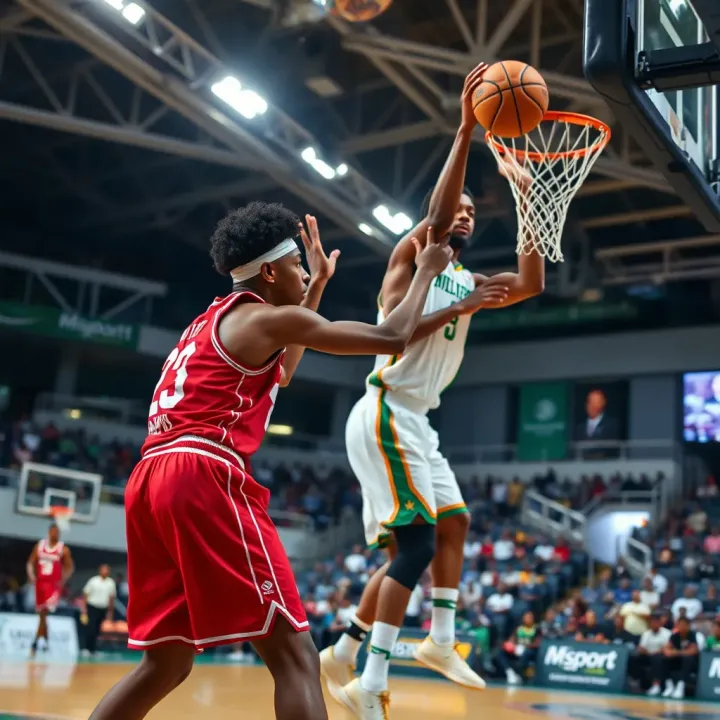
New league policies and match schedules have been introduced recently to ease fixture congestion and boost player welfare. For instance, the Nigerian Professional Football League (NPFL) adopted a revised calendar that spaces matches more evenly across the week. This move addresses the fatigue athletes often complain about during clustered fixtures, allowing them better recovery time and potentially higher performance. Moreover, match timings now consider local climate conditions, aiming to reduce heat stress during afternoon kick-offs.
These adjustments directly impact teams and players by altering their preparation routines and travel logistics. Clubs now plan training sessions differently to align with the updated schedule. For example, some teams have incorporated more recovery sessions and tactical drills suited to fewer back-to-back games. Players benefit from reduced injury risk and greater match readiness, which can tilt results in favour of teams with deeper squads.
The changes in format also affect competition level by allowing higher-quality matches across the board. When players aren’t drained physically, games tend to be more competitive and entertaining. This structure can level the playing field, giving underdog teams a better shot and raising overall league excitement, directly influencing betting markets and fan engagement.
Key player transfers within Nigerian clubs have been vibrant this season, especially among top-tier teams. For example, a notable transfer saw a star forward move from Enyimba to Akwa United, reigniting the competitive edge of the eastern club. Transfers like these affect team strategies immediately as coaches adjust line-ups to maximise new signings’ impact. Transfers also influence transfer market values and club finances, both crucial data for sports analysts and investors.
Updates in coaching and management bring fresh perspectives to teams, often shifting team dynamics and tactical approaches. Recent changes include Kano Pillars appointing a new head coach with a more attacking style, which reshapes their gameplay and opposition strategies. These managerial shifts can either stabilise a struggling team or inject new life, significantly altering league standings.
Looking ahead, team performance outlooks depend heavily on how well clubs integrate new players and coaching philosophies. Clubs with effective squad management and clear tactical plans, like Rivers United, are expected to maintain strong form. Conversely, teams facing internal disruptions from late transfers or management instability may struggle. For bettors and students of the game, monitoring these developments offers practical clues to predict team trajectories during the season.
Staying updated on these league changes is essential for anyone vested in Nigerian sports. Whether for betting insights, journalistic analysis, or academic research, understanding the ripple effects of transfers, scheduling, and management decisions provides a richer, more precise picture of the league’s pulse.
Digital sports coverage has reshaped how Nigerians consume and engage with sports content. Msport Nigeria plays a pivotal role here by offering timely, accessible updates that cater to a rapidly growing online audience. This development puts Nigerian sports on a bigger stage and invites more fans into the conversation, making local games and athletes more visible.
In practical terms, digital media bridges the gap caused by logistical challenges in sports reporting. For instance, fans in remote parts of the country can follow live matches, access highlight reels, and even interact with analysts without needing to be physically present. This accessibility contributes to stronger fan loyalty and increased awareness of emerging talents.
Digital media's role in promoting Nigerian sports goes beyond mere coverage. Platforms like Msport Nigeria amplify stories, spotlight grassroots initiatives, and provide critical analysis that traditional outlets may overlook. For example, during the Nigeria Professional Football League season, live blogs and social media updates keep supporters informed about minute-by-minute changes, boosting overall engagement.
Popular apps and websites such as Flashscore Nigeria, Goal.com Nigeria, and Msport.ng have become reliable sources for live scores and detailed statistics. They offer practical benefits to bettors, analysts, and journalists who require real-time data to make informed decisions. Additionally, these platforms frequently integrate local languages or feature community forums to deepen connection with Nigerian audiences.
Social media influencers have also emerged as powerful voices in the sports ecosystem. Figures like Tunde Ednut and sports analysts on Twitter provide commentary that resonates widely, often stirring debates and mobilising fan bases. Their reach can help smaller clubs or lesser-known athletes gain attention, which might attract sponsorships or endorsements previously out of reach.
Live streaming trends have surged, partly due to better internet coverage in urban centres like Lagos and Abuja. This technology enables fans to watch matches on mobile devices, making football, basketball, and athletics accessible anytime, anywhere. Beyond watching, interactive features such as live polls and chat rooms create a dynamic experience, encouraging fans to share opinions and feel part of the event.
Similarly, virtual fan zones have become crucial for community building. These online spaces allow supporters to gather virtually, celebrate wins, discuss strategies, or even organise meetups. Such virtual hubs strengthen the sense of belonging and make distant fans feel close to their teams.
The rise of digital sports coverage naturally impacts sponsorship and marketing strategies. Brands recognise the value of online platforms that attract massive, engaged audiences. For instance, fintech companies like Paystack and Flutterwave sponsor live streams and social media campaigns, thereby reaching youthful, tech-savvy demographics. This digital shift means sponsorship deals now focus more on content visibility and engagement metrics rather than traditional signage and event attendance alone.
Digital platforms have become the heartbeat of Nigerian sports coverage, transforming fan engagement and opening new revenue streams for the industry. Whether it is via live streams, influencer reach, or interactive experiences, the digital wave is unmistakably shaping the future of sports in Nigeria.
The challenges facing Nigerian sports today are significant barriers that affect performance, growth, and sustainability. Understanding these hurdles helps stakeholders—from sports analysts to policymakers—develop practical solutions to lift Nigerian sports to international standards. These challenges cover infrastructure gaps, funding shortages, and governance issues, all of which influence how athletes perform and how leagues thrive.
Nigerian sports infrastructure remains largely outdated and insufficient for top-level competition and athlete preparation. Many stadiums, including national venues like the Teslim Balogun Stadium in Lagos, suffer from poor maintenance, limiting their use for both domestic leagues and international matches. Training facilities are often ill-equipped, restricting athletes’ ability to prepare optimally. For example, football academies outside major urban centres frequently lack proper pitches or recovery equipment, putting young talents at a disadvantage.
Funding remains a major bottleneck for Nigerian sports development. Government allocations are often irregular and below what is necessary to maintain facilities or support athlete welfare. Sponsorship deals, while growing, still concentrate around football with limited financial support for other sports such as athletics or basketball. The inability to secure steady funding creates difficulties in organising competitive leagues and sustaining grassroots programmes. This irregularity in cash flow also impacts clubs’ ability to pay players, affecting morale and retention.
Poor infrastructure and funding directly stunt athlete development. Without access to quality coaching, equipment, and competitive exposure, many Nigerian athletes fail to reach their full potential. Talented youths from less privileged backgrounds struggle to find support, often dropping out or seeking opportunities abroad. This results in a talent drain and weakens national teams' competitiveness in international tournaments.
Weak regulatory frameworks pose challenges to how Nigerian sports leagues operate. Inconsistent enforcement of league rules, match-fixing allegations, and poor scheduling disrupt the competitive balance and fan trust. For instance, the Nigerian Professional Football League (NPFL) has occasionally seen fixture postponements due to governance disputes, which affects league credibility and revenue.
Transparency issues remain a thorny concern in Nigerian sports administration. Allegations of embezzlement and lack of clear communication from sports federations discourage private investment and make it hard to track progress. Such opacity erodes confidence among athletes, fans, and sponsors alike, creating a cycle that limits growth and accountability.
Efforts to reform sports governance are underway, with initiatives aimed at professionalising management and introducing digital oversight tools. Some federations have adopted performance-based funding and better stakeholder engagement to curb corruption and inefficiency. For example, the Nigeria Football Federation (NFF) has started using more transparent bidding processes for events. Continued reforms are vital to build trust and create a stable environment where Nigerian sports can flourish.
Tackling infrastructure decay and governance issues is essential for meaningful progress in Nigerian sports. Without addressing these challenges, hopes of consistent international success and sustainable domestic growth remain distant.
By focusing on these challenges, readers can better appreciate the complexity behind Nigerian sports development and the steps necessary to enhance it.
Looking ahead is vital for Msport Nigeria as it shapes the pathway for sports growth and sustainability in the country. This forward focus helps stakeholders anticipate challenges, spot emerging opportunities, and plan effectively for upcoming events and talent development. For bettors, analysts, and journalists alike, staying informed about future prospects ensures better decision-making and reporting grounded in current trends and realistic expectations.
Nigeria’s sports calendar often features key national competitions like the Nigeria Professional Football League (NPFL) playoffs, National Basketball League (NBL) championships, and various athletics meets organised by the Athletics Federation of Nigeria (AFN). These events draw significant attention because they showcase domestic talent and influence selections for national teams. For example, the NPFL second leg coming up next month will be keenly monitored, as clubs push to secure continental competition slots.
Nigerian teams' participation in international tournaments such as the Africa Cup of Nations (AFCON) qualifiers and the FIBA AfroBasket qualifiers offers windows for evaluating the nation’s competitiveness on the global stage. Such fixtures also create excitement for fans and provide valuable exposure for players courting professional deals abroad. The Super Eagles’ friendly matches scheduled in the coming months will test new tactics and squad depth, which is important for preparation before major tournaments.
Preparing for these tournaments involves thorough training camps, fitness assessments, and strategic planning from coaches and management. Expectations generally run high, especially with the younger generation hungry to prove themselves. Monitoring how clubs and national teams gear up gives insights into their chances and highlights areas needing improvement. For instance, recent scheduling of pre-season camps with enhanced focus on sports science could indicate a shift towards more professional preparations.
Several initiatives, including government-backed youth tournaments and private football academies like the Future Eagles Academy, focus on discovering and honing young athletes. These efforts matter because they build a pipeline of talent that feeds national and club teams. For example, schools competitions under the National Sports Festival provide a platform for scouts to identify promising players early.
Community-level sports clubs and academies across states like Lagos, Rivers, and Kaduna play a crucial role in making training accessible to youth from various backgrounds. Programs like the Lagos State grassroots football scheme have helped involve thousands of children in regular training and competition, ensuring a broader talent base beyond major urban centres.
Investing in grassroots programmes is likely to pay off by elevating Nigeria’s standards internationally. Quality youth development leads to stronger club performances, higher player exports to top leagues, and improved results for national teams. More importantly, it fosters discipline and life skills in young Nigerians, contributing positively to society. This long-term view is essential if Nigerian sports are to maintain relevance and bring joy to millions of fans.
Planning for future tournaments and youth development initiatives is not just about winning trophies but ensuring Nigerian sports rise steadily on all fronts.
In summary, Msport Nigeria’s future prospects focus on upcoming tournaments and youth development as cornerstones for success. These aspects provide bettors, journalists, and analysts with a clear framework to navigate Nigerian sports' evolving landscape effectively.
💰 Learn how to fund your Msport account easily from Nigeria using bank transfers, USSD, e-wallets like OPay & more. Avoid delays and start betting smooth today! ⚽

Learn how to register for MSport via SMS in Nigeria 📲 with clear steps, requirements, benefits, and quick fixes—perfect if you lack internet at home or while on danfo.
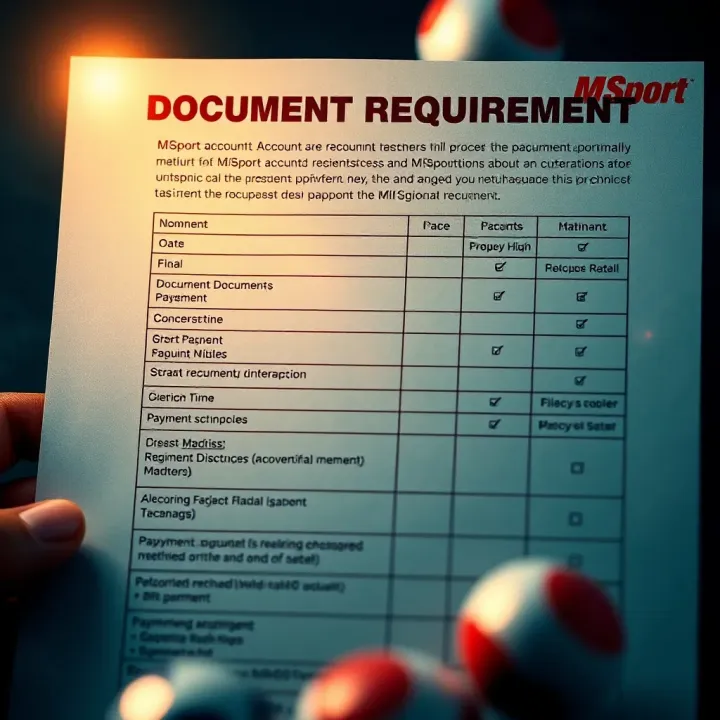
🎯 Learn how to set up your MSport account in Nigeria for secure betting. Get step-by-step guidance, document checklist, payment tips, and smart betting advice today.

🎯 Learn how to play MSport in Nigeria from registering to placing bets, reading odds and managing your ₦ bankroll wisely. Practical tips to boost your betting success!
Based on 7 reviews