

How to Use MSport: Guide for Nigerian Sports Bettors
Learn how to play MSport in Nigeria 🇳🇬 – register, fund your account, place bets, read odds, withdraw winnings, and enjoy safe betting every ember month!
Edited By
Samuel Okoro
The term Msport Sugar Rush captures a sudden spike in energy many Nigerian athletes and fitness enthusiasts feel after consuming sugar-rich foods or drinks before or during sport. This quick jolt energises the body, making it easier to perform intense activities, especially in sports like football, athletics, or local kung fu competitions popular across Nigeria.
Sugar acts as a fast fuel source because it breaks down into glucose, the body’s preferred energy currency. This glucose enters the bloodstream rapidly, delivering an immediate energy boost to working muscles and brain cells. For instance, a footballer taking a sugary drink during halftime experiences faster recovery and enhanced alertness when the second half begins.

While this sugar-induced energy boost can sharpen performance temporarily, the effect often comes with a sharp drop known as an "energy crash" once insulin clears excess sugar from the blood.
Understanding this balance is key. Nigerians involved in sports often consume sweets like chin chin, sugarcane juice, or sugary soft drinks to trigger this rush. However, relying heavily on sugar without proper timing may cause fatigue shortly after exertion, hindering consistent performance.
Type of Sugar: Simple sugars, like those in glucose tablets or soft drinks, offer faster energy compared to complex carbohydrates like yam or plantain.
Consumption Timing: Sugar taken about 15-30 minutes before activity maximises available energy during exercise.
Individual Response: Some athletes tolerate sugar better, while others might experience stomach discomfort or sugar crashes.
Use sugary snacks wisely, pairing them with water or electrolyte drinks to maintain hydration.
Avoid excessive sugar intake during training to prevent long-term health issues like diabetes or obesity, which are rising concerns in Nigeria.
Consider natural sugar sources common in Nigerian cuisine, such as ripe bananas or dates, that release energy more steadily.
By understanding the science and cultural practices behind Msport Sugar Rush, Nigerian athletes can better plan their energy intake for peak performance. Balancing sugar consumption prevents crashes, promotes endurance, and supports overall health on and off the field.
The Msport Sugar Rush describes the quick energy surge athletes feel after consuming sugar, a phenomenon deeply woven into Nigerian sports culture. This sudden boost helps athletes push harder during critical moments in training or competition, especially in football, athletics, and other popular sports. Understanding this effect is vital since it can impact performance positively if timed well, but overreliance risks sudden fatigue.
When an athlete consumes sugar, especially simple carbohydrates like glucose or sucrose, their blood sugar levels spike rapidly. This spike gives muscles quick energy, which translates into enhanced alertness, faster movements, and improved stamina for short bursts. For instance, during a football match, a player might eat a sugary snack like chin chin or drink a soft drink, triggering this energy spike just before a crucial play.
These energy surges commonly occur during intense training or matches, where athletes require sudden power and focus. However, such spikes are temporary and often followed by a decline as the body manages insulin and blood sugar levels. Coaches especially note this effect during drills or matches that demand short, explosive actions like sprints or quick tackles.
In Nigerian sports like local football leagues and athletics meets, the sugar rush plays a practical role. Many footballers grab sugar-laden snacks or energy drinks during halftime to recharge. Sprinters similarly might rely on sugary items to sharpen reflexes before starting a race. This energy burst supports performance when external energy sources are scarce, given Nigeria's sweating weather and sometimes unpredictable nutrition access.
Culturally, pre-game sugar consumption is widespread among athletes in Nigeria. It’s common to see players take gummies, soft drinks, or sugary snacks as part of their pre-game ritual, believing it heightens endurance. These habits reflect local preferences and available food options, such as sugar cane, coconut candy, or even malt drinks from brands like Maltina or Amstel Malta. However, many athletes don’t always control quantity or timing, risking the energy crash with prolonged activity.
The Msport Sugar Rush is more than just a quick fix; it’s part of Nigerian sporting identity, combining cultural habits with practical energy needs. Recognising its effects lets athletes strategise their sugar intake for better, more sustained results without burnouts.
In summary, Msport Sugar Rush captures the link between sugar intake and sudden energy bursts familiar to Nigerian athletes. Its role in local sports and cultural habits offers insights into how performance can be optimised with mindful sugar use, making this knowledge especially relevant for trainers, sports analysts, and athletes themselves.
Understanding how sugar influences energy levels is key to grasping the "Msport Sugar Rush" phenomenon in Nigerian sports. This section highlights the physiological workings behind sugar's quick energy spike and its aftermath, tools every athlete and enthusiast should know.
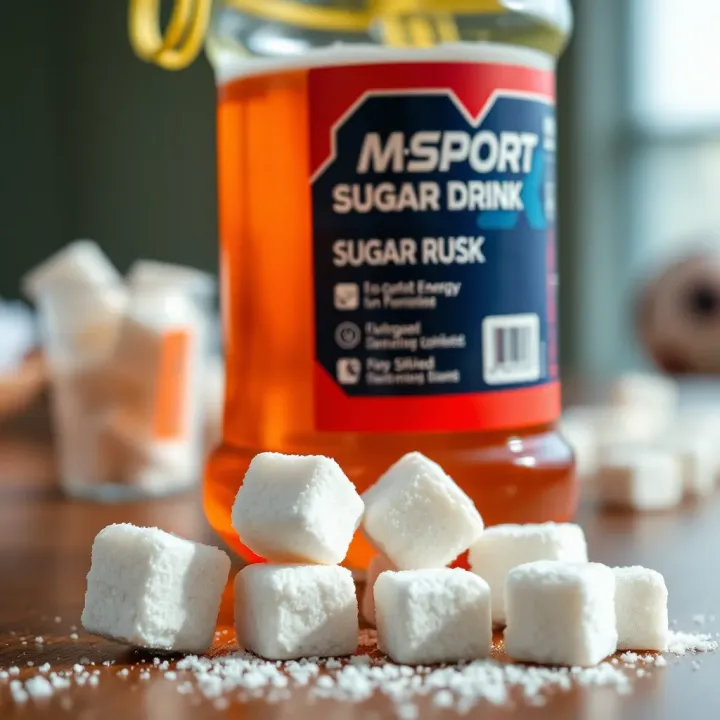
Sugar, primarily in the form of glucose, is absorbed into the bloodstream after digestion. When an athlete consumes sugary foods or drinks, the sugar first breaks down in the gut before entering the blood. This process can be quick, especially with simple sugars found in sodas, sweets, or local snacks like puff-puff.
Once in the bloodstream, glucose raises the blood sugar level, acting as a readily available fuel source. The immediacy of this fuel is why athletes often feel a sudden spike in energy right after consuming sugary snacks before or during games.
Muscles crave energy during sport, mainly in the form of glucose. When blood glucose rises, muscles can draw on this source quickly to generate ATP—the energy currency cells use. This rapid energy availability can support short bursts of intense activity like sprinting in a football game or a quick attack in athletics.
However, the body’s handling of this sugar is crucial. Excessive sugar floods can lead to an imbalance, as muscles can only absorb so much glucose at a time, after which surplus sugar can affect performance negatively.
Insulin is the hormone responsible for managing blood sugar levels after sugar intake. When glucose surges in the blood, the pancreas releases insulin to help shuttle glucose into cells, primarily muscle and fat cells, for immediate use or storage.
The rapid release of insulin following a sugar rush often leads to a corresponding fall in blood sugar, sometimes dropping below normal levels. This sharp drop is responsible for the energy crash that many athletes feel after the initial burst.
During the sugar rush, athletes experience a temporary boost in stamina and alertness because glucose fuels the brain and muscles. This effect can heighten focus and physical output, temporary but effective for short-term performance spikes.
A sugar crash follows the peak energy burst and can manifest as fatigue, dizziness, irritability, or difficulty concentrating. These symptoms strike when insulin overshoots sugar regulation, causing a hypoglycemic state.
For athletes, this crash can negatively impact performance, sharpness, and mood, undermining the benefits of the initial energy boost. Often, it results in decreased stamina during longer matches or training sessions.
Athletes relying heavily on sugar for quick energy must understand both the boost and its crash to avoid unexpected dips during critical moments on the field.
In Nigerian sports settings, where energy drinks and sweets are commonly consumed by players, knowledge of this scientific background helps in planning nutrition that sustains performance without the pitfalls of sugar overindulgence.
Balancing sugar consumption is key for Nigerian athletes who want to sustain their energy throughout training or competitive events. Too much sugar can lead to a quick spike followed by a crash, which undermines stamina and focus. On the other hand, too little sugar might leave an athlete drained, especially in longer events. Getting this balance right helps maintain steady energy levels and improves overall performance.
Timing sugar intake is essential, particularly for endurance sports like long-distance running or football matches. Consuming a moderate amount of sugar about 30 to 60 minutes before exercise gives the body enough time to digest and raise blood glucose for energy. For example, a small cup of zobo (hibiscus tea sweetened with sugar) or a ripe banana provides quick but manageable energy.
During longer sessions lasting over an hour, frequent small doses of sugar help keep energy up. Athletes often use sugar-sweetened drinks or snacks at halftime or break periods. However, excessive sugar intake soon before or during exercise can cause gastrointestinal discomfort or sudden energy dips.
Suitable sugar sources for Nigerian athletes include common local foods that offer quick glucose release without excess additives. Products like jellof rice with a little sugar, honey from local beekeepers, or naturally sweet fruits such as mangoes and pineapples serve well. These options are accessible and often easier on the stomach compared to overly processed energy drinks that may contain additives or caffeine.
Sustained energy comes not just from sugar spikes but also from foods rich in complex carbohydrates and natural fibres. Nigerian staples like yam, plantain, and brown rice release energy slowly, helping athletes avoid sugar crashes. For instance, a meal of boiled yam with a small portion of palm oil and vegetables provides lasting fuel during heavy physical activity.
Hydration plays an equally vital role alongside sugar consumption. Taking enough water before, during, and after exercise prevents dehydration, which rapidly impairs performance. In hot Nigerian weather, drinking electrolytes-rich fluids like kunu or light sugar-salt solutions helps retain fluid balance and supports effective sugar metabolism.
Properly balancing sugar intake with hydration and natural energy sources is crucial. It not only boosts performance but also protects athletes from energy crashes and health issues that come with overdependence on sugary snacks or drinks.
In summary, Nigerian athletes should aim for measured sugar intake timed just before or during exercise, favouring natural, local sources for better tolerance. Pairing sugar with hydration and slower energy-releasing foods makes for smarter sports nutrition that sustains endurance and sharpness on the field.
In Nigerian sports culture, understanding the health implications of sugar intake is essential. While sugar can provide swift energy boosts, excessive consumption carries risks that athletes must manage carefully to maintain long-term performance and wellbeing.
Excess sugar intake often leads to obesity, a condition that weighs heavily on athletes' ability to perform. Carrying extra body fat can reduce agility and increase fatigue during matches or competitions. Over time, consistent high sugar consumption can also raise the risk of type 2 diabetes, especially where diets lack balance and physical activity might be limited off-season.
Dental issues are another concern, as sugary foods and drinks promote tooth decay. Many Nigerian athletes consume energy drinks or sweets frequently without adequate dental care. This could lead to painful cavities and infections, which not only affect overall health but also disrupt training routines.
Specific concerns affect Nigerian athletes uniquely. For instance, irregular access to balanced meals due to economic or logistical challenges can exacerbate the effects of sugar-heavy diets. The abundance of cheap sugary snacks and drinks near training grounds or during tournaments often encourages unhealthy patterns. Also, limited awareness about the long-term risks means many athletes rely on sugar rushes to push through fatigue without considering the consequences.
Educating athletes about nutritional balance is a practical starting point. Coaches and sports nutritionists across Nigerian states increasingly emphasise the role of balanced meals over quick fixes. Programs that teach athletes to combine carbohydrates, proteins, and fats for sustained energy help reduce excessive sugar cravings. For example, swapping soda drinks for freshly squeezed fruit juices or sobolo (hibiscus drink) with minimal added sugar can maintain energy without dramatic blood sugar swings.
Integrating low-sugar diets while ensuring adequate energy takes some planning but pays off. Athletes can incorporate local staples like beans, yams, plantains, and amala that release energy gradually. Proper hydration with water or lightly sweetened natural drinks supports metabolism and delays fatigue. Nigerian athletes who adopt these strategies report more even energy levels during matches and less dependence on artificial energy boosters.
Managing sugar intake in Nigerian sports isn’t just about cutting out sweets—it means creating practical, culturally relevant nutrition habits that sustain strength and wellbeing over time.
Balancing quick energy needs with long-term health should guide sugar consumption choices among athletes. This approach helps avoid the performance dips and health issues that come from sugar overuse, ensuring Nigerian sports stars can stay proud and strong throughout their careers.
In Nigeria, the Msport Sugar Rush is more than a fleeting buzz—it's deeply woven into how athletes prepare and perform. This sugar-driven energy spike is often seen as a quick fix to boost alertness and stamina, especially in high-intensity sports like football, athletics, and even local wrestling matches. Understanding the typical sugary products athletes rely on, alongside community beliefs and myths about their effects, helps clarify why the sugar rush is so popular and its implications on performance.
Energy drinks form the backbone of sugar supplementation among many Nigerian athletes. Brands such as Power Horse and World Cup are widely consumed before and during sporting events. These drinks offer not only sugar but also caffeine and electrolytes, which temporarily heighten alertness and delay fatigue. Besides these, sweets like gummies and candies serve as quick sugar sources during training or matches, offering immediate but short-lived energy boosts.
Local snacks like 'kulikuli' (groundnut cake) and 'chin chin' (fried dough snacks) also play a role, given their sugar content and easy availability. Athletes often combine these snacks with energy drinks to prolong the rush effect. This combination is typical especially where access to branded sports supplements is limited.
Accessibility and affordability shape sugar consumption patterns among athletes at different levels. In urban centres like Lagos and Abuja, energy drinks and packaged sweets are easy to find in kiosks and petrol stations, often costing between ₦100 and ₦500 per unit, which fits into most athletes’ budgets. In contrast, in rural or semi-urban areas, athletes rely more on locally made snacks that are cheaper and available from mama puts or roadside vendors.
The cost-effectiveness of local sugary products makes them popular. For instance, a small bag of chin chin sold at ₦50 may provide the needed burst of energy without the expense of imported drinks. This affordability ensures that even grassroots athletes can partake in the Msport Sugar Rush, thereby sustaining its relevance across diverse socio-economic backgrounds.
Common beliefs among grassroots and professional athletes often frame sugar as a magic bullet for instant power and stamina. It's not unusual to hear coaches advising players to consume sugar right before going on the pitch to sharpen focus. At grassroots levels, such advice is passed down orally and accepted with little scientific backing. Athletes also believe that sugary foods can prevent cramps and exhaustion, which feeds into their routine sugar intake.
However, some myths distort the reality of sugar’s role. For example, a widespread notion is that the more sugar consumed, the longer the energy lasts, which ignores the risk of an eventual sugar crash. Some even think sugar can improve muscle strength directly, which isn’t scientifically accurate.
Clarifying these myths requires grounding in scientific facts. Sugar does provide a rapid energy source by elevating blood glucose, but this burst is short-lived and should be balanced with other nutrients for sustained performance. Excessive sugar consumption can lead to energy dips, mood swings, and health concerns like obesity and diabetes, which are real risks particularly in the Nigerian context with rising lifestyle diseases.
Educating athletes and coaches about managing sugar intake helps optimise its benefits without unwanted side effects. It also encourages exploring natural energy sources and balanced diets, essential for long-term health and sporting success.
Understanding how sugar fits into Nigerian athletes’ practices and beliefs, alongside its practical effects, helps stakeholders improve nutrition strategies that support better, healthier performances.
Learn how to play MSport in Nigeria 🇳🇬 – register, fund your account, place bets, read odds, withdraw winnings, and enjoy safe betting every ember month!

⚽️🎥 Get the best out of Msport livestream for Nigerian fans! Learn how to watch live matches smoothly, handle tech challenges, and explore legal tips for seamless sports action.

Explore how MSport's key partnerships boost Nigerian sports development, sponsorship deals, and community growth 🏆🤝⚽ enhancing the nation’s sporting scene.

🎥 MSport Lives streams live sports events in Nigeria, blending tech and local flavour. Discover its features, benefits, challenges, and impact on Nigerian fans and broadcasters ⚽📱.
Based on 10 reviews