

MSport Partnerships and Nigerian Sports Growth
Explore how MSport's key partnerships boost Nigerian sports development, sponsorship deals, and community growth 🏆🤝⚽ enhancing the nation’s sporting scene.
Edited By
Babatunde Ajayi
MSport Crash Free technology is reshaping how safety works on Nigerian roads. It targets a serious problem — the high rate of road accidents that affects everyone, from okada riders to drivers of private cars and danfo operators. With road crashes costing lives and yanking productivity, any tool that promises a safer journey is worth attention.
This technology revolves around smart systems embedded in vehicles, designed to detect, alert, and sometimes even prevent crashes. It uses sensors, cameras, and software that monitor road conditions, vehicle behaviour, and hazards. For instance, if a danfo driver approaches a busy intersection too quickly, MSport Crash Free can warn the driver in real time or automatically control braking to avoid a collision.
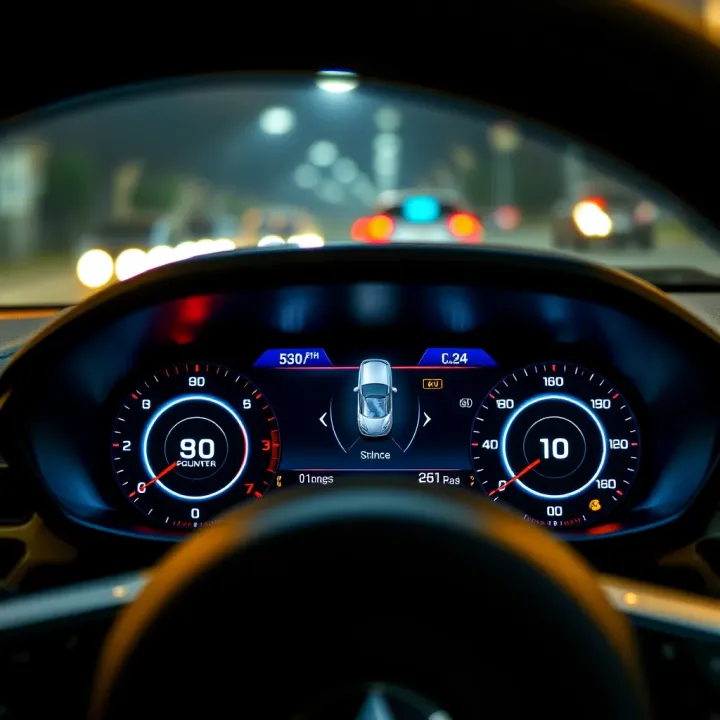
Collision avoidance systems: Detect nearby vehicles or obstacles and warn the driver or apply brakes automatically.
Lane departure warnings: Alert drivers when their vehicle drifts out of designated lanes without signalling.
Blind spot detection: Identifies vehicles or objects invisible to the driver, reducing side-impact crashes.
Adaptive cruise control: Maintains safe distances from the car ahead, particularly useful on congested Nigerian highways.
By cutting down accident chances, MSport Crash Free can reduce injuries and fatalities, easing the burden on hospitals and emergency responders, especially in cities like Lagos and Abuja where traffic crashes are frequent. It also saves vehicle repair costs and insurance claims. Plus, safer roads encourage better public confidence for daily commuters.
For Nigeria, where road conditions and driver habits vary widely, adopting MSport Crash Free tech offers a practical step towards curbing road crashes, safeguarding lives, and supporting the economy.
To align with Nigeria's unique traffic challenges—including danfo recklessness, okada disruptions, and road infrastructure issues—MSport Crash Free solutions must be adaptable and affordable. Nonetheless, their potential to complement government safety campaigns and stricter traffic enforcement marks a move towards smarter road use.
Understanding this technology empowers drivers and fleet managers alike to make informed decisions about vehicle safety upgrades that reflect Nigerian realities. That is why MSport Crash Free isn’t just a tech upgrade; it’s a necessary step for safer Nigerian roads.
MSport Crash Free represents a significant step towards enhancing road safety in Nigeria, where traffic conditions often challenge even the most careful drivers. This technology aims to reduce vehicle collisions by integrating smart features that anticipate accidents before they happen. The practical benefit is clear: fewer crashes mean fewer injuries and less damage, which can save lives and reduce economic losses for both drivers and the country.
At its core, MSport Crash Free technology combines advanced sensors, cameras, and software designed to monitor the vehicle’s surroundings constantly. These systems detect obstacles, sudden movements, or unsafe driving behaviours and intervene swiftly—either by alerting the driver or automatically applying brakes or steering corrections. For example, in Lagos traffic jams where sudden stops are common, this technology can prevent rear-end collisions that often occur due to delayed human reactions. Think of it as a vigilant co-pilot that never blinks.
MSport’s safety system centres around several key components:
Collision Avoidance Sensors: These use radar or lidar to scan the road ahead, warning drivers of nearby vehicles, pedestrians, or unexpected obstacles.
Automatic Emergency Braking (AEB): This function kicks in when a collision is imminent and the driver fails to react in time, reducing impact or avoiding the crash altogether.
Lane Departure Warning: Particularly useful on Nigeria’s highways, this alerts drivers drifting out of their lane unintentionally, which helps to curb accidents caused by fatigue or distraction.
Driver Monitoring Systems: These track driver alertness, detecting signs of drowsiness or distraction, and prompt the driver to take a break.
These integrated features work together to form a comprehensive safety net. Unlike stand-alone gadgets, the MSport system’s synchronised technology means each component supports others for more reliable protection. It’s like a multi-layered defence against the erratic behaviours and unpredictable hazards common on Nigerian roads.
The advantage of MSport Crash Free technology is not just in preventing crashes but in adapting to the unique challenges Nigerian drivers face—from heavy traffic and poor road conditions to unpredictable pedestrian and okada movements.
By adopting this technology, vehicles operating in Nigeria increase their chances of avoiding accidents, thereby protecting lives and reducing insurance and repair costs. It’s a forward-looking approach tailored for today’s Nigerian roads, blending modern tech with real-world needs.
MSport Crash Free technology is designed to cut down the risks of accidents by actively supporting drivers in preventing collisions. In Nigerian roads where traffic congestion, unpredictable driver behaviour, and poor road conditions are common, these advanced safety systems play a key role in creating safer journeys. By automating alert mechanisms and intervening when danger is detected, MSport significantly lowers crash chances for all road users — from okada riders to private car owners.
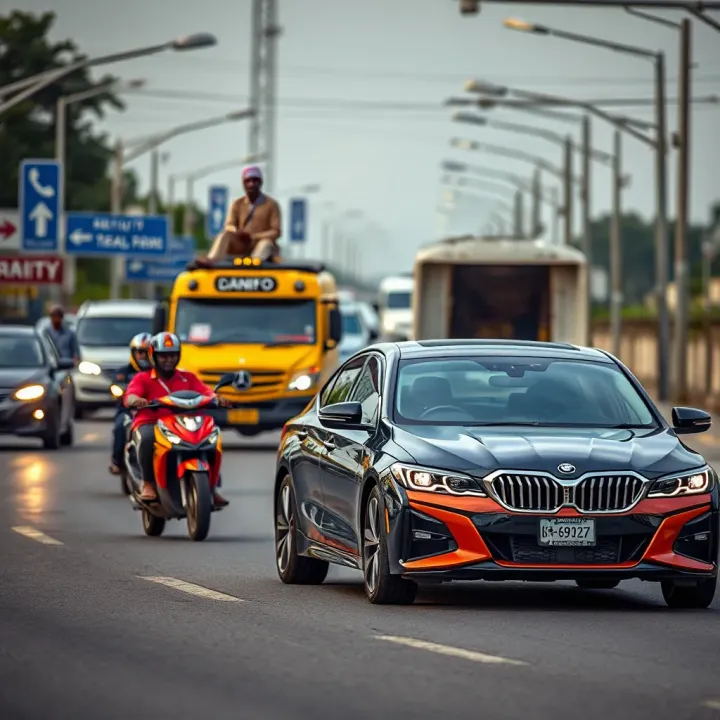
At the heart of MSport Crash Free are several crash avoidance technologies that work together to keep vehicles safe. This includes automatic emergency braking (AEB), which senses when a collision is imminent and applies brakes without driver input. Such systems have saved many lives in Lagos traffic jams where sudden stops happen frequently.
Another function is lane departure warning systems. These alert drivers whenever the vehicle unintentionally drifts out of its lane, a useful feature on busy highways like the Lagos-Ibadan Expressway where fatigue and distraction often cause accidents. Additionally, adaptive cruise control helps maintain a safe distance from the vehicle ahead, adjusting speed accordingly — a welcome relief in bumper-to-bumper traffic in Abuja and Port Harcourt.
Sensors and cameras integrated within MSport vehicles continuously monitor surroundings, providing early warnings for pedestrians or cyclists nearby. This technology is especially beneficial near crowded markets or bukaterias where jaywalking and erratic movements can lead to accidents.
Across cities where MSport Crash Free systems have been introduced, there is a noticeable drop in accident numbers. For instance, preliminary data from dealers in Lagos show a 30% reduction in minor collisions among vehicles equipped with MSport safety tech. This means fewer injuries, less vehicle damage, and lower insurance claims.
By offering real-time responses and better situational awareness, MSport technology has reduced driver error — a main cause of over 70% of road crashes in Nigeria according to FRSC reports. In practical terms, this translates to safer roads during ember months when traffic and accident rates spike due to festive travel and overloaded vehicles.
Using MSport Crash Free is not just about protecting the driver but about creating a ripple effect that enhances safety for all road users in Nigeria’s complex transport ecosystem.
With driver assistance and automated safety features working continuously, MSport Crash Free technology offers a concrete solution to the perennial challenge of road accidents in Nigeria. Embracing it brings tangible benefits, improving the overall reliability and safety of Nigerian roads.
MSport Crash Free technology offers practical advantages tailored to Nigerian road realities. With traffic congestion, poor road conditions, and frequent accidents, drivers and passengers stand to gain significantly from enhanced safety features. This section highlights how these benefits play out daily and why adopting this system can make a positive change.
Nigerian roads are notorious for unpredictable driving behaviours from okada riders, danfo bus operators, and private motorists alike. Traffic jams worsen risks, often leading to rear-end collisions or sideswipes. MSport Crash Free integrates early warning systems and automatic braking, which help prevent accidents even in heavy danfo-dominated traffic.
For instance, adaptive cruise control can adjust vehicle speed based on the distance to the car ahead. This reduces the chances of sudden crashes common in Lagos or Abuja traffic jams. Likewise, lane departure warnings alert drivers when veering unintentionally, a common cause of accidents on Nigeria's often poorly marked roads.
This technology also supports night driving by detecting obstacles or pedestrians on dimly lit streets—essential in areas lacking streetlights. By compensating for unseen hazards, MSport Crash Free helps reduce crashes caused by limited visibility, which remains a major problem especially during ember months when power outages spike.
Beyond safety, MSport Crash Free can ease the financial and health burden caused by road accidents. Nigeria loses billions of naira yearly in medical costs, vehicle repairs, and lost workdays due to crashes. By reducing accident rates, this technology can lower insurance premiums over time, especially for commercial fleets like keke operators who suffer frequent damages.
Moreover, fewer crashes mean less strain on emergency and health services. Hospitals often struggle with road crash victims, which affects the quality of care available for other patients. Reducing serious injuries also lessens long-term rehabilitation costs and prevents permanent disabilities.
Sometimes, a simple technology upgrade could mean a driver avoids injury or a protracted hospital stay. This reduces indirect costs such as lost income for individuals and families. The ripple effect benefits businesses and the broader economy, especially in urban centres where traffic-related delays and costs bite hardest.
Real safety improvements translate directly into economic resilience and better quality of life for Nigerian road users.
In summary, MSport Crash Free technology equips Nigerian drivers with tools to navigate chaotic roads more safely while easing the heavy economic toll from road accidents. When integrated widely, these advantages contribute to a future where Nigerian roads are less dangerous and the cost of crashes less ruinous.
Introducing MSport Crash Free technology to Nigerian roads presents several hurdles, reflecting the complex realities on the ground. Understanding these challenges is key to charting a practical path toward safer roads. Key among them are the limitations in infrastructure and road networks, along with cost and accessibility issues faced by vehicle owners.
Nigeria’s road network remains a significant barrier to seamlessly integrating MSport Crash Free systems. Many Nigerian roads suffer from poor maintenance, potholes, and irregular signage, all of which can interfere with vehicle safety sensors and automatic crash prevention features. For example, sensor-based systems that rely on lane markings often fail on Lagos's busy highways where faded or inconsistent paint marks confuse even experienced drivers.
Furthermore, inconsistent power supply and lack of reliable internet connectivity in some regions can limit the real-time functioning of crash avoidance technologies that depend on constant data updates or cloud support. In rural areas where roads are unpaved or have no proper lighting, MSport Crash Free features like automatic emergency braking or adaptive cruise control may underperform or switch off entirely.
Infrastructural challenges also extend to a lack of standardisation in road designs and traffic control measures across states, making it difficult for uniform technology deployment. Until the road environment matures with consistent upgrades and better maintenance, the full benefits of MSport Crash Free systems may not be realised.
The upfront costs of MSport Crash Free technology can be prohibitive for many Nigerian vehicle owners, particularly owners of danfo, okada, and older tokunbo cars prevalent in the informal economy. These advanced safety systems often come as factory-installed features in new vehicles costing several million naira, pricing them out of reach for the average motorist.
Retrofitting older vehicles with MSport crash prevention equipment also tends to be expensive, requiring specialist installation and maintenance services that are limited or unavailable in many Nigerian cities. Without economies of scale and local assembly, costs remain high due to import duties on tech components.
Accessibility further diminishes as many Nigerians remain unaware of these safety options or assume they’re luxury add-ons without real value. This perception inhibits demand, discouraging manufacturers and dealers from pushing MSport technology more aggressively.
For MSport Crash Free to become widespread, financing options, subsidies, or partnerships with local banks to offer affordable loans could help bridge the affordability gap for many drivers and commercial transport operators.
Addressing these challenges honestly can guide policymakers and stakeholders toward practical interventions. Improving road infrastructure, investing in local technology assemblies, and promoting awareness on vehicle safety can help Nigerian drivers experience a safer motoring future.
Introducing MSport Crash Free technology to Nigerian roads requires clear steps involving policy, industry participation, and public awareness. Without these coordinated efforts, the technology may remain underutilised, causing missed opportunities to reduce accidents and save lives.
The government holds a vital role in setting standards and enforcing regulations that encourage MSport Crash Free adoption. For example, Nigerian authorities can mandate inclusion of key safety features in all new vehicle imports or locally assembled units. Policies should also target compliance monitoring through agencies like the Federal Road Safety Corps (FRSC) and Vehicle Inspection Offices. Incentives, such as tax breaks or duty reductions on vehicles equipped with recognised crash prevention tech, could encourage ownership. At the same time, stricter penalties against vehicles not meeting safety standards can push dealerships and consumers towards safer options.
Effective policy requires consistent enforcement. Nigeria’s patchy road network and heavy traffic mean regulations without proper checks risk being ignored. Clear guidelines on data sharing and privacy for smart systems must also be handled transparently to build trust between users, manufacturers, and regulators.
Manufacturers and dealerships are frontline players in bringing MSport Crash Free technology to Nigerian drivers. They should prioritise offering models with integrated crash avoidance features like collision warning sensors and automatic emergency braking—options often missing in older tokunbo vehicles still very popular here. Collaborations with local assembly plants can help tailor features to Nigeria’s rough roads and traffic realities.
Dealerships can also provide hands-on demonstrations for buyers to understand these safety systems’ value, moving beyond marketing claims. Accessibility is key; manufacturers must consider cost-effective versions for the Nigerian market to avoid pricing many drivers out. For instance, bundling crash-free tech as standard in mid-range cars before luxury models would increase reach.
None of the technology works without proper understanding from drivers. Education should target all road users, including okada riders and commercial drivers. Awareness campaigns can explain how MSport Crash Free features operate and why relying solely on human judgement is risky given Lagos’s notorious traffic chaos or Nigeria’s uncleared road hazards.
Training programmes run by FRSC or private organisations can integrate technology familiarisation alongside defensive driving techniques. Digital tools like mobile apps or short videos in local languages can spread the message widely.
Successful integration depends on drivers trusting and effectively using MSport Crash Free systems, which calls for ongoing education and clear communication.
In sum, combining strong government policies, active manufacturer involvement, and comprehensive driver education forms the foundation for MSport Crash Free technology to thrive on Nigerian roads. Without these steps, the gap between technology availability and real-world impact remains wide.
Explore how MSport's key partnerships boost Nigerian sports development, sponsorship deals, and community growth 🏆🤝⚽ enhancing the nation’s sporting scene.
⚽ Stay updated with Msport SoccerOnline for live Nigerian football streaming, betting options, match alerts, and tips. Enjoy football thrills safely and easily today!
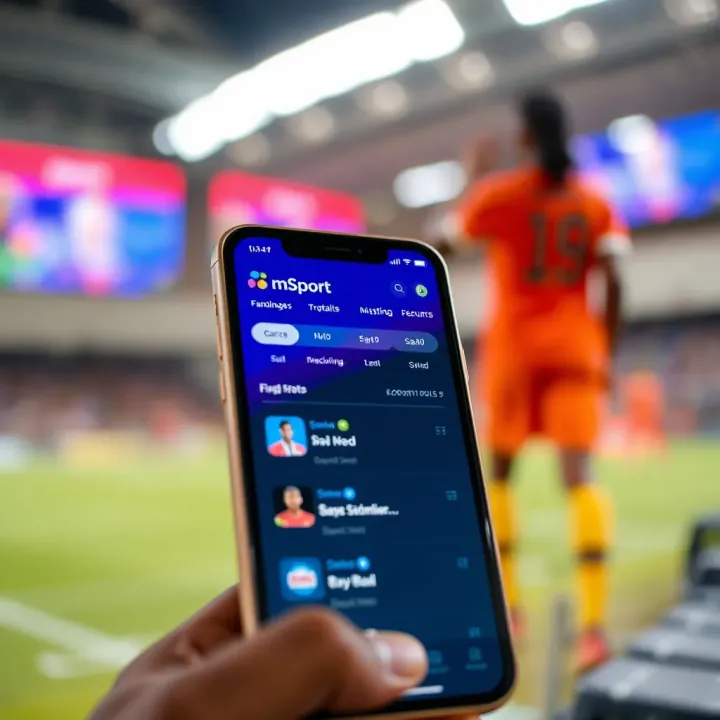
Discover how Kenya's mSport app delivers live updates, betting options, and user-friendly features 🎯. Learn to download, use, and secure your bets easily 📲.
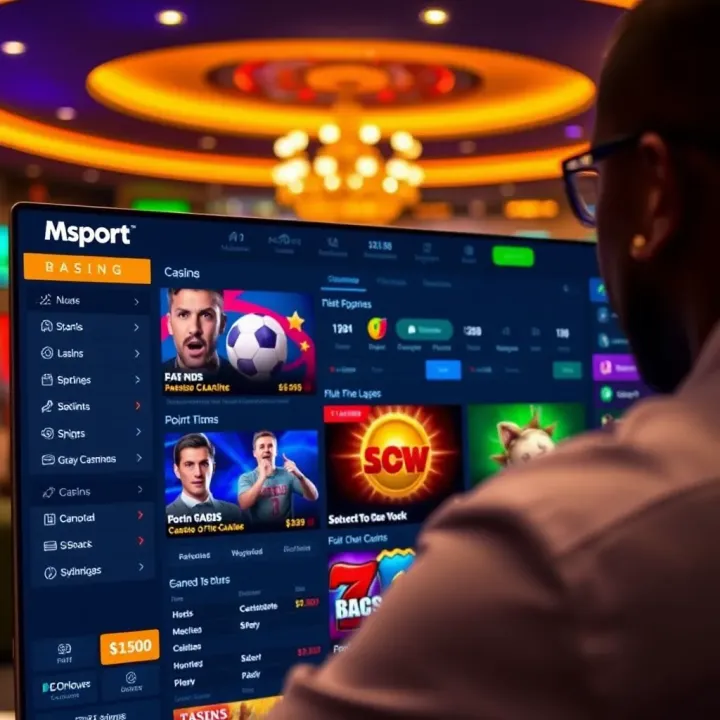
🎲 Discover Msport Casino online, offering Nigerian players top sports betting and casino games. Enjoy smooth payments, solid security, and sharp user experience 🇳🇬💰🎰
Based on 10 reviews