
How to Access Old Msport Mobile Shop Login in Nigeria
📱 Learn how to access and navigate the old Msport mobile shop login in Nigeria with ease. Get tips on account security, troubleshooting, and where to find support for smooth access.
Edited By
Oluwatobi Adeyemi
MSPORT Shop has carved a niche as a go-to market for old mobile phones in Nigeria, especially for those looking to acquire quality tokunbo devices without burning a hole in their pockets. In a country where the average consumer often weighs affordability against functionality, MSPORT Shop offers a practical solution by specialising in buying and selling second-hand mobile phones.
Mobile technology in Nigeria is evolving fast, but many still prefer to stick with trusted brands or models that fit their budget and needs. Here, MSPORT Shop stands out by providing a wide range of old mobiles, from classic Nokia feature phones to mid-range smartphones from brands like Tecno, Infinix, and Samsung. This variety meets different user preferences — students, professionals, and small business owners all find what they need.
The appeal of old mobile devices is tied not just to price but to accessibility and familiarity. Many buyers favour devices they can easily repair or that support local apps and networks effectively.
Authenticity and trust remain key concerns when dealing with used electronics. MSPORT Shop addresses this by conducting thorough quality checks and offering genuine imei certification for all devices, helping buyers avoid fake or tampered phones. Pricing is also competitive, reflecting current market trends for popular models. For instance, a Tokunbo Tecno Spark 7 might range between ₦30,000 and ₦40,000, while a used Samsung Galaxy A10 can go for about ₦50,000, depending on condition.
Operating within the challenges of fluctuating naira value and supply chain inconsistencies, MSPORT Shop also adapts by updating its stock frequently and maintaining clear communication with customers. This adaptability helps Nigerian consumers access affordable mobile technology without the usual stress associated with buying used gadgets.
In summary, MSPORT Shop fills an important gap in the Nigerian mobile market by offering a reliable platform for old mobile devices — blending affordability, authenticity, and variety to meet the distinct needs of Nigerian users.
Understanding the market for old mobile devices in Nigeria is essential for both buyers and sellers navigating this sector. With Nigeria's fluctuating economy and the high cost of new smartphones, many consumers turn to second-hand phones as affordable alternatives. Knowing the trends, popular brands, and common challenges helps consumers make smarter choices and avoid pitfalls.
The high price of new smartphones, often ranging from ₦80,000 to over ₦300,000, puts many models out of reach for average Nigerians. With inflation and naira’s volatility, second-hand phones offer a budget-friendly choice. For instance, an average used Tecno or Infinix phone may cost less than ₦30,000, which suits students, small business owners, and workers relying on lower disposable incomes. The lower price does not just ease the initial purchase but also reduces the pressure to maintain or insure the device.
Second-hand mobile phones are widely available across Nigeria, not just in Lagos or Abuja tech hubs. Markets in cities like Onitsha, Kano, and Port Harcourt see steady supplies of used devices, often from middlemen, traders returning from abroad, or corporate trade-ins. This access allows people in less urbanised areas to afford smartphones that would otherwise require expensive imports or online purchases with uncertain delivery. Many of these phones reach buyers through retail shops, roadside vendors, or trusted local outlets like MSPORT Shop.
Certain brands dominate the Nigerian used mobile market due to their affordability, service reliability, and brand presence. Tecno, Infinix, Itel, and Samsung feature heavily, with models like the Tecno Camon series or Samsung Galaxy J series attracting significant interest. Buyers primarily seek devices with basic features that support WhatsApp, social media, and light app usage. Meanwhile, high-end phones like iPhones and Samsung Galaxy S series appear but at higher price points, appealing mainly to tech enthusiasts or professionals.
One of the major risks is purchasing counterfeit phones or those with hidden faults. Fake devices often mimic brand aesthetics but perform poorly or lack proper software. Similarly, some phones sold as refurbished might have severe battery issues or damaged hardware. Buyers without technical know-how may end up with phones that fail shortly after purchase. For example, a customer might pay ₦25,000 for a phone that shuts down randomly due to a faulty motherboard.
Most old mobile phones sold in Nigeria come without any form of official warranty or after-sales support. If the device develops a fault, buyers must rely on local repair shops or technicians, which vary in quality and cost. This lack of warranty deters some buyers, especially those who depend on the phone for daily business. Even trusted sellers like MSPORT Shop often advise customers to check the device thoroughly before purchase since returns or repairs after sale are limited.
Buying second-hand mobile phones requires a careful balance of cost savings against risks like quality and repair challenges. Understanding these aspects helps buyers make informed decisions and spot good deals.
MSPORT Shop holds a notable place in Nigeria’s market for old mobile devices, serving a growing community that values affordability without compromising on quality. Understanding the shop's profile and business approach sheds light on why it remains a preferred destination for buyers and sellers of second-hand phones.
MSPORT Shop operates from a strategic spot in Lagos, one of Nigeria's commercial lifelines. This location makes it easy for customers across Lagos and the surrounding states to access the shop, avoiding the usual transport headaches associated with traffic-heavy areas. The shop's presence in a well-known electronics market further boosts foot traffic, allowing curious buyers to inspect devices personally.
Accessibility extends beyond physical location. MSPORT also offers a straightforward ordering and payment system, accommodating customers who prefer to purchase remotely through mobile money or bank transfers, a growing trend given Nigeria's rising digital adoption.
The shop specialises in a wide array of old mobile phones, catering to different budgets and preferences. Their stock includes popular models from brands like Samsung, Tecno, Infinix, and Apple—phones sought after for their durability and resale value.
From basic feature phones costing as low as ₦5,000 to more sophisticated smartphones priced between ₦30,000 and ₦60,000, the variety allows shoppers to pick according to their needs. MSPORT’s product range also covers replacement parts and accessories, providing a one-stop solution for many mobile users.
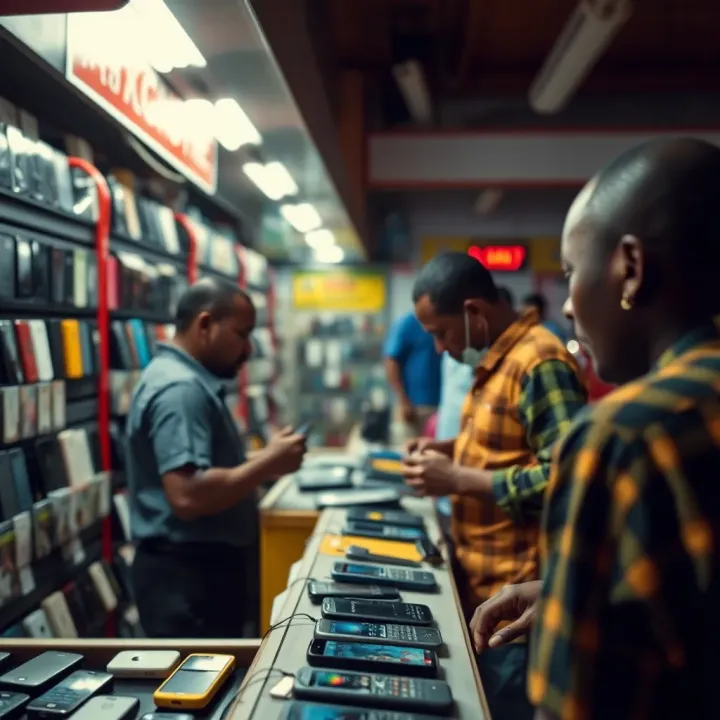
MSPORT Shop maintains robust partnerships with both wholesalers and individual sellers. The wholesalers supply bulk lots of used devices sourced locally and from international markets, including Europe and Asia, which are known for quality tokunbo phones.
On the other hand, individual sellers bring in single units or small volumes, often upgrading their phones or clearing unused stock. This mix ensures a diverse inventory and helps MSPORT maintain competitive pricing while meeting a range of customer demands.
The shop has set up a thorough quality verification system to maintain customer trust. Every device undergoes physical inspection to check for signs of damage and wear, with special attention to screens, batteries, and camera lenses.
Software diagnostics are performed using reliable tools to verify hardware functionality and confirm IMEI legitimacy, combating the risk of counterfeit or tampered devices. This meticulous process reduces customer complaints and enhances the shop’s reputation for dependable used mobiles.
Reliable sourcing and strict quality control are pillars of MSPORT Shop's success, making it a trusted hub for affordable and genuine old mobile devices in Nigeria.
This focus on transparency and quality assurance directly benefits customers looking for value without the worry of falling for scams or poor-quality phones. It also positions MSPORT Shop as an influential player in the competitive second-hand Nigerian mobile market.
Understanding the quality and authenticity of old mobile phones is vital because it protects buyers from wasting money on faulty or counterfeit devices. At MSPORT, rigorous checks ensure customers get genuine tokunbo phones that perform as expected. This makes a huge difference, especially where many buyers rely on old phones as affordable alternatives but cannot afford to be stuck with dead devices or clones.
The first step in verifying a second-hand phone is a thorough physical check. At MSPORT, phones are inspected for signs of wear beyond normal usage, such as swollen batteries, cracked screens, or missing buttons. Genuine devices typically have intact serial numbers and manufacturer labels, which should match the phone’s packaging and documentation. For example, a Samsung Galaxy phone should have Samsung branding properly etched on the back cover, with no rough edges or uneven prints. If the paint is peeling off or the device feels unusually light, that's a red flag.
Checking the charging port and headphone jack for rust or looseness is also common practice, as genuine products maintain these fittings well, whereas fake or heavily used phones show damage. This hands-on inspection prevents buyers from getting units that might fail in days or require costly repairs.
Beyond physical checks, MSPORT employs tests on software and hardware to verify functionality. This includes system diagnostic tools to confirm active and original operating software, battery health, and processor performance. For instance, testing the touchscreen responsiveness or camera clarity can reveal if the phone’s core functions are intact or if compromises were made during refurbishment.
Software checks can also spot forged firmware or altered operating systems, which might hide malware or functional issues. Authentic devices usually support regular updates and show consistent menus, settings, and security patches, unlike counterfeit phones which might have irregularities or missing features.
The International Mobile Equipment Identity (IMEI) number helps buyers verify if a phone is legitimate and not blacklisted for theft or fraud. MSPORT confirms this by cross-referencing the IMEI against official databases. If a phone’s IMEI shows as stolen, fake, or registered under another owner, buyers are alerted immediately.
IMEI checking also clarifies whether the device is genuinely the advertised model. For example, a phone might be a replica masked as a high-end iPhone, but its IMEI points to a different manufacturer, exposing the deceit. This simple step saves customers from falling victim to costly scams.
Besides IMEI verification, MSPORT uses professional diagnostic tools to assess hardware status. Devices are connected to testing software that checks battery life, speaker output, microphone clarity, network signal strength, and sensor performance like gyroscopes and accelerometers.
For example, if the battery health shows only 50% capacity after testing, buyers can decide if they want to negotiate a lower price or walk away. Such tools provide an objective measurement of condition rather than relying on verbal assurances. A buyer at MSPORT benefits from transparent reports on device functionality, creating trust and confidence in every purchase.
Checking both the physical state and technical integrity of old mobile phones is essential, especially in Nigeria’s competitive tokunbo market. MSPORT’s strict evaluation processes shield customers from counterfeit goods and faulty devices, proving its commitment to quality and authenticity.
Pricing plays a big role in why many Nigerians turn to MSPORT Shop when shopping for old mobile phones. The shop's price tags reflect more than just numbers—they show device condition, brand strength, and marketplace demand. For many buyers, getting good value means finding a device that balances cost with reliability. Understanding how MSPORT sets prices gives insight into what customers can expect and how they can make smarter purchases.
At MSPORT Shop, the age of a phone directly shapes its price. Older models naturally sell for less, partly because newer phones offer better features and support. Yet, physical wear matters just as much. A phone with noticeable scratches, battery degradation, or worn-out buttons usually goes for a lower price than one in near-mint condition. This grading allows customers to pick devices matching their budget and tolerance for signs of use.
For example, a Samsung Galaxy S9 in good working order with minor scuffs might cost around ₦50,000, whereas a heavily worn unit from the same model may fall closer to ₦30,000. This approach helps buyers decide if paying extra is worth it for longer-lasting performance or appearance.
Certain brands and models command higher prices at MSPORT Shop due to their reputation and overall demand. Tech giants like Samsung and Apple tend to hold value better compared to generic brands or lesser-known Chinese models. For instance, an iPhone 7 in good shape may retail between ₦70,000 to ₦90,000, while branded Android devices from last two years like the Tecno Phantom can range from ₦30,000 to ₦60,000 depending on condition.
These price bands reflect both scarcity and brand appeal among Nigerian buyers. Customers familiar with these ranges find it easier to negotiate and spot good deals without risking overpayment.
Many customers praise MSPORT for offering quality devices that meet their expectations at reasonable prices. One Lagos-based buyer recounted buying a used iPhone 8 that came fully tested and with a six-month warranty, costing less than half the price of a new one. This balance between reliability and affordability made it popular among young professionals and students on tight budgets.
Another customer mentioned getting a refurbished Samsung A50 from MSPORT that performed well for personal and work use. Such success stories highlight the shop’s commitment to delivering customer value beyond the initial sale.
When you buy from MSPORT, you’re not just paying for a phone; you’re investing in peace of mind that it’s genuinely tested and fairly priced.
While many enjoy positive experiences, some customers report issues like battery life not matching original claims or minor faults discovered after use. MSPORT typically addresses these by offering quick repairs or refund options within warranty periods. Their responsiveness helps maintain trust even when problems arise.
For example, a buyer who found a microphone fault shortly after purchase reported a prompt exchange without extra charges. This level of after-sales service sets MSPORT apart in a market where warranties on used devices can be scarce.
Overall, these customer interactions provide valuable lessons on expecting realistic device performance while benefiting from flexible support.
Navigating the challenges and opportunities in Nigeria’s old mobile device market is key for businesses like MSPORT Shop to stay relevant and competitive. This sector is shaped by dynamic factors such as evolving buyer behaviour, government policies, and new selling platforms. Understanding these aspects helps MSPORT Shop cater better to customers while anticipating shifts that can affect supply, pricing, and demand.
Online marketplaces like Jiji, OLX, and Instagram sellers have become big players for old mobile phone sales. These platforms offer convenience and a wider reach, allowing sellers and buyers to connect beyond physical locations. For MSPORT Shop, this means the old-school storefront must work harder to showcase authenticity, provide reliable after-sales support, and ensure competitive pricing to attract customers who might otherwise turn to online options.
However, the physical store's strength lies in hands-on inspection and immediate customer service, which online transactions often lack. Buyers worried about fake devices or hidden faults sometimes prefer inspecting devices physically before purchase. MSPORT Shop uses this advantage to emphasise trustworthiness over competitors selling purely through digital channels.
Nigerian consumers are slowly shifting towards smartphones with better features, but many still find value in robust, older models. Demand leans towards brands like Tecno, Infinix, and even older Samsung models known for durability. Also, cheaper feature phones remain popular in rural areas with limited internet access. MSPORT Shop tailors its inventory to this preference spectrum to cater to different segments.
Consumers also increasingly seek devices with a balance between cost and performance. They want phones that support essential apps like WhatsApp and Facebook but don’t want to pay top naira prices. Responding to such preferences requires MSPORT Shop to continuously evaluate its stock and adapt accordingly.
MSPORT Shop has room to grow by integrating digital tools such as online ordering, mobile payment options (like Paystack or OPay), and active social media presence to reach younger buyers. Digital integration can streamline inventory management and customer engagement. For example, launching an app or website where customers can preview available phones before visiting would enhance convenience.
By combining their trusted physical presence with online channels, MSPORT Shop can tap into broader markets and improve customer experience. Expansion to other Nigerian cities, especially emerging urban centres, offers untapped opportunities yet requires careful logistical planning and quality control to maintain standards.
The old mobile market is sensitive to naira exchange rate movements and government import policies. Rising import duties or restrictions on used gadgets can cause supply shortages and higher prices. For instance, stricter regulations by the Nigerian Customs Service on second-hand electronics sometimes delay shipments, pushing prices up.
Fluctuating forex rates also affect what MSPORT Shop pays for devices sourced from abroad, eventually influencing retail prices. Consumers feel the pinch during naira depreciation as affordability drops. Therefore, MSPORT must keep flexible pricing strategies and maintain close communication with suppliers to navigate such unpredictability.
Successfully managing these challenges while seizing new avenues like digital sales will determine MSPORT Shop’s sustainability in Nigeria’s competitive old phone market.
📱 Learn how to access and navigate the old Msport mobile shop login in Nigeria with ease. Get tips on account security, troubleshooting, and where to find support for smooth access.
📲 Get the Old MSport Mobile Lite app: easy download steps, quick registration guide, useful tips and safety advice to start using this mobile service platform in Nigeria today!

🏃♂️ Save big with MSport shop codes! Learn how Nigerian shoppers can find and use discount codes to get great deals on your favourite sportswear and gear 🔥
Discover Msport Mobile, Nigeria’s trusted sports betting app with easy access, multiple payment options including ₦, and secure betting 🏀⚽️. Get tips for smooth play!
Based on 12 reviews