

How to Access Old M-Sport Mobile in Nigeria
📲Need to access old M-Sport Mobile in Nigeria? Get clear steps to retrieve your data, fix common issues, and pick safer alternatives designed for Nigerian users.
Edited By
Chinelo Okafor
The old M-Sport mobile search app was among the early sports-focused applications that gained some buzz on Nigerian mobile devices. Developed to help sports fans and bettors track matches, scores, and news quickly, it offered a mix of live updates and archived data. Unlike today's heavily polished apps, M-Sport targeted users who valued straightforward access to football and other sports events but without overwhelming features.
Its interface was simple — geared for limited mobile data through 2G and early 3G networks, common across many parts of Nigeria then. This focus on speed and low data use made it popular among users with basic smartphones and spotty internet access. Many bettors found it helpful for pre-match research before placing bets with local bookmakers.
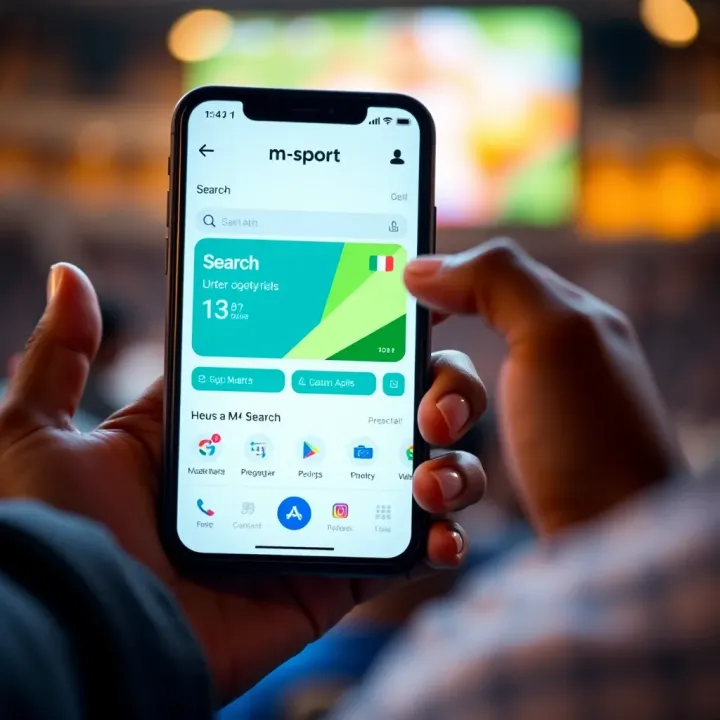
However, M-Sport's features were quite basic compared to modern apps. Users could search upcoming fixtures, check live scores, and view player stats, but interactive features like video highlights or social sharing were absent. The app mainly relied on text-based content, ensuring it ran smoothly even on low-end devices.
It's worth noting that M-Sport used a lightweight technological framework, crafted in the early 2010s when mobile internet was just picking up in Nigeria. It connected to data providers who aggregated sports info globally but tailored updates for Nigerian leagues and international football relevant to Nigerian fans.
Despite its early promise, M-Sport struggled to keep up as newer apps entered the market with richer features, better design, and integrations with betting platforms. That said, it set the stage for mobile sports apps in Nigeria by showing the demand for on-the-go access to sports information.
This article will explore how M-Sport worked, what features it offered, why it faded, and how it compares with Nigeria’s current sports app landscape, providing valuable context for bettors, journalists, and analysts interested in sports technology evolution locally.
Understanding the background and development of the Old M-Sport mobile search app offers essential insight into how it shaped early mobile sports information access in Nigeria. This section explains the app's origins, its intended purpose, and the developmental phases that influenced its design and performance. For bettors, analysts, students, and journalists focused on sports data, knowing this context clarifies why the app gained attention and later faced challenges.
The Old M-Sport mobile search app first emerged around the late 2000s when smartphone adoption in Nigeria was still taking root. It was primarily developed to help sports enthusiasts, especially football fans, access real-time match data, scores, and news on their mobile devices. Before widespread internet access, many relied on radio and newspaper updates, but the app aimed to consolidate information in one place.
Its key objective was to make sports data portable and easy to retrieve anywhere, helping users place better bets or stay updated without depending on constant TV or internet streaming. At its core, the app focused on Nigerian and international football, reflecting the local passion for the sport. For example, it gave live score alerts and fixtures for the Nigerian Professional Football League (NPFL) alongside popular European leagues.
The app underwent several updates between 2010 and 2015 to refine its features and fix recurring bugs. Early versions suffered from slow loading times due to limited mobile internet infrastructure and app inefficiencies. However, subsequent updates improved search speed and introduced additional tools like player statistics and match predictions.
By 2013, developers tried integrating local language support and push notifications to boost user engagement. Despite these efforts, by mid-2010s, newer apps with better interfaces and cloud-based architectures began to eclipse the Old M-Sport app. Limited capacity to scale and incorporate advanced features like live streaming or social integration marked its decline.
The journey of the Old M-Sport app reflects Nigeria’s broader digital evolution—starting as a helpful tool to bridge information gaps, it gradually became outdated as technology and user expectations advanced rapidly.
This background highlights how the app filled a gap at its time but also why it struggled to maintain relevance amid growing competition and changing mobile environments. Understanding these fundamentals prepares users to appreciate why and how newer sports mobile apps have since taken centre stage in Nigeria’s vibrant sports and technology scene.
The old M-Sport mobile app stood out at its peak due to a combination of effective features tailored for sports enthusiasts and casual users. Understanding these functionalities helps explain why it attracted a user base and how it addressed specific needs in a market that, at the time, had limited comprehensive mobile sports search options.
M-Sport’s core was its mobile search functionality, designed to swiftly deliver sports news and updates on mobile devices with limited internet speeds common in Nigeria then. Unlike general search engines, its mobile search honed in on sports-related queries, which cut down irrelevant results. For example, a user looking for "Super Eagles fixtures" would get direct links to upcoming matches, recent scores, and news articles without sifting through unrelated pages.
The app also incorporated basic filtering tools to narrow searches by sport type, league, or date. This was practical for users interested in specific leagues like the Nigeria Professional Football League (NPFL) or global ones like the English Premier League (EPL). Although not as sophisticated as today’s AI-driven searches, it optimised results for the local context.
Beyond search, M-Sport provided real-time score updates, player statistics, and standings tables. For example, users could track individual player performance like goals scored or assists in the NPFL, enriching the app’s value for analysts and bettors.
The app also featured alerts for live matches, which was especially important when live broadcasts were scarce. These notifications helped users keep tabs on critical moments without necessarily being online continuously.
M-Sport delivered curated sports news sourced from Nigerian and international outlets, offering both local flavour and global perspective. This balanced content mix gave users relevant insights into football, athletics, basketball, and other popular Nigerian sports.
M-Sport’s interface was straightforward, focusing on usability over flashiness. The layout used clear tabs divided by sport categories and a prominent search bar on the home screen, making navigation intuitive for less tech-savvy users.
Given the variability of mobile devices then, the app was designed to be light, consuming minimal data and functioning on lower-end smartphones. This efficiency meant users in areas with poor network coverage or those using basic devices had access without heavy strain on data plans.
That said, some users noted occasional lags and outdated designs compared to emerging apps, pointing to a need for continual updates which eventually lagged behind.
The old M-Sport app’s combination of targeted search, real-time updates, and a user-friendly interface made it a valued tool for many Nigerians interested in sports during its active years.
In summary, the app’s key features—its tailored sports search, detailed statistics, news integration, and design suited to local tech realities—defined its appeal and represented a foundational phase in Nigerian sports app development.
Understanding why the old M-Sport mobile search app experienced decline is essential to appreciating its place in Nigeria's evolving digital landscape. Identifying common challenges helps users and developers learn from past issues to improve future sports apps. These challenges include technical problems, stiff competition from newer apps, and mixed user feedback.
The old M-Sport app often suffered from technical glitches that frustrated many users. Frequent crashes during live match searches and delays in updating scores created a poor experience. For example, users sometimes found the app freezing or failing to load football match stats during peak hours, especially during popular leagues like the NPFL or English Premier League. This unreliability discouraged active use, particularly in a market where users expect real-time data from platforms like Flutterwave and Paystack-driven apps. Such bugs not only hurt credibility but also increased user churn.
The arrival of newer, better-optimised sports apps intensified pressure on M-Sport. Platforms such as the official SuperSport app, SportyBet's mobile interface, and local favourites like Naijaplay provide smoother experiences and richer features. These competitors rolled out quicker updates, offered in-app betting integration, and tailored content to Nigerian sports fans effectively. Coupled with improved network infrastructure across major cities like Lagos and Abuja, users naturally gravitated towards apps that delivered consistent performance. As a result, M-Sport's once-innovative features began to look dated and limited.
Market feedback for M-Sport highlighted several complaints, mainly about slow response times and complex navigation. Users shared on app stores and social media that the app’s search function was often confusing, leading them to miss timely updates on matches or player statistics. Additionally, the app lacked customization options that modern users expect, such as notifications for preferred teams or leagues. This failure to adapt to user needs lowered its appeal in a fast-changing digital market. Still, some loyal users appreciated its initial design and functionality despite these gaps.
The decline of the old M-Sport app shows that consistent technical performance and user-centric updates are key to staying relevant in Nigeria's competitive sports app scene.
By studying these specific downsides—technical flaws, growing competition, and critical user feedback—stakeholders can better navigate the challenges that face sports tech today, whether developing or selecting the right app for Nigerian sports enthusiasts.
Understanding how the old M-Sport mobile search app stacks up against current sports apps in Nigeria sheds light on its relevance and limitations today. This comparison helps users, especially bettors, journalists, and analysts, identify what features have progressed and which gaps remain to guide their app choices effectively.
Mobile search technology in Nigeria has improved sharply since the days of the old M-Sport app. Modern apps now incorporate faster indexing, AI-powered recommendations, and voice search capabilities. For example, platforms like Google Nigeria provide predictive search results tailored to local interests, including live sports updates and transfer news, all accessible within seconds. These enhancements reduce the time users spend scrolling through irrelevant content, a challenge that users of the old app often faced.
Additionally, the integration of GIS (Geographic Information Systems) allows newer apps to offer location-specific sports news and events. This feature benefits users interested in regional leagues or community sports, a detail that the older M-Sport app lacked. On top of that, current security protocols such as biometric logins and secure payment gateways have become standard, ensuring safer transactions for premium content and betting activities.
Today in Nigeria, multiple sports apps have gained significant traction, each offering distinct benefits. For instance, SmartBet Nigeria combines real-time score updates with betting tips and user forums, which engage its community actively. Another notable app is NaijaScore, prized for its fast refresh rates and comprehensive coverage of football leagues worldwide, including local Nigerian leagues like the Nigeria Professional Football League (NPFL).
Social media platforms like Instagram and Twitter also play a giant role in sports updates, with official league handles and influencers posting instant results and commentary. Apps such as Betway and 1xBet Nigeria cater specifically to bookmakers, offering integrated betting options alongside match statistics.
Besides international brands, local startups like PlayFina have emerged, focusing on integrating mobile payment solutions tailored for Nigerian users, due to challenges with the naira exchange rate and fintech adoption. These platforms represent a blend of improved tech infrastructure and tailored user experiences that were mostly absent in the old M-Sport app.
Comparing the old M-Sport mobile search app with current offerings highlights Nigeria’s rapid tech progress, showing how specialised features and user-centric design have transformed sports app usage.
For users still relying on outdated apps, this comparison offers insights into what they might be missing—whether it’s speed, reliability, or security. It also points developers towards the touchpoints to prioritise when designing the next generation of app solutions tailored for Nigerian markets.
Understanding the basics of what makes a sports search app reliable and safe is essential, especially if you rely on such apps for real-time updates or betting decisions. Practical recommendations help users avoid frustration from glitches or misinformation and offer a clearer view of what to expect in the fast-evolving mobile app market. For example, choosing an app with accurate football fixtures and trustworthy stats can save time and improve betting accuracy.
Start by looking for apps with consistent updates. An app that hasn't been updated for over a year, like the old M-Sport app in its later stages, may fail to provide current data or be vulnerable to bugs. Also, check if the app supports offline mode, which can be a blessing during network fluctuations common in many Nigerian cities.
Next, consider the source of the app’s data. Apps partnered with official sports leagues or credible news outlets tend to deliver more reliable information. For instance, platforms associated with Nigeria’s Premier League or Nigerian Football Federation are more trustworthy than unverified sources.
User reviews can offer good insight but watch out for fake ratings. Look for repeated themes in complaints, such as slow updates or frequent crashes. Security makes the list too; avoid apps requesting excessive permissions unrelated to sports—for example, microphone or contact access without a clear reason.
Always download sports apps from official stores like Google Play or Apple’s App Store rather than unverified APKs. This reduces the risk of malware. Keep your app updated, as developers often fix bugs and patch security issues through new versions.
Avoid logging in using public Wi-Fi unless you use a VPN; public networks increase exposure to data theft, especially if the app handles sensitive information like payment details.
Manage notifications carefully. While live updates can be helpful, too many push alerts can drain your battery or cause unnecessary distractions. Tailor settings to suit your needs.
Lastly, back up important data frequently, such as saved favourites or personal settings. Some apps offer cloud syncing—use these features to avoid losing your preferences, especially if you switch devices.
Practical choices in sports apps not only improve your experience but protect your data and wallet. A thoughtful approach helps you stay ahead, enjoy smoother app usage, and get accurate sports insights without guesswork.
Following these recommendations will help you pick dependable sports search apps and use them smartly, avoiding many common pitfalls experienced by casual users and professionals alike.
📲Need to access old M-Sport Mobile in Nigeria? Get clear steps to retrieve your data, fix common issues, and pick safer alternatives designed for Nigerian users.

📝 Learn how to create your M-Sport account in Nigeria with clear steps, essential requirements, and tips for smooth registration. Start enjoying sports content hassle-free today!
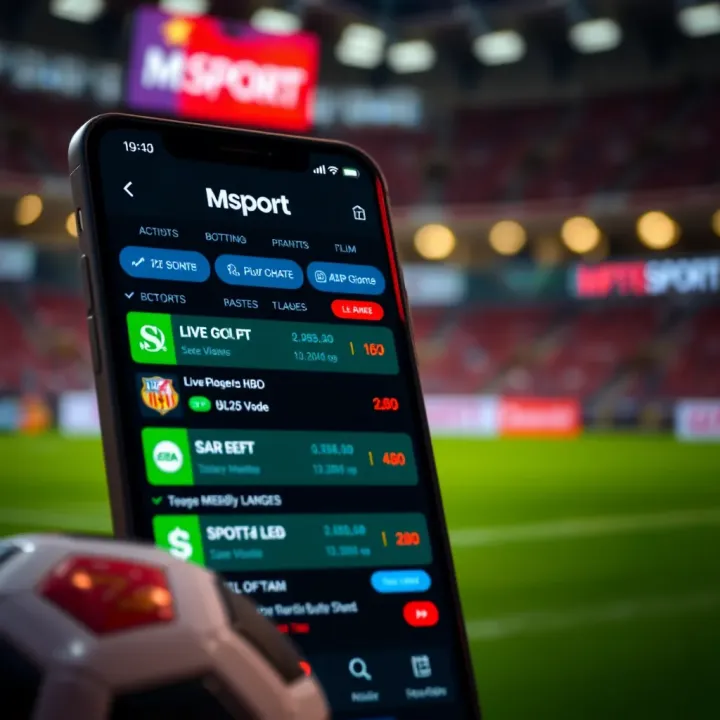
Discover Msport Mobile, Nigeria’s trusted sports betting app with easy access, multiple payment options including ₦, and secure betting 🏀⚽️. Get tips for smooth play!

Learn how to easily check old MSport mobile coupons in Nigeria 📱. Get step-by-step tips to verify past coupons, avoid issues, and save ₦ on your next bet.
Based on 6 reviews