
Torneo MSport Motorcycle: Features and Performance in Nigeria
Edited By
Emmanuel Okeke
Prolusion
The Torneo MSport is steadily gaining recognition across Nigeria as a practical and affordable motorcycle. Known for combining reasonable price with reliable performance, it has caught the attention of many okada riders and everyday commuters alike. In Nigerian cities where traffic congestion is a serious challenge, motorcycles like the MSport offer quick mobility and cost savings.
What stands out about the Torneo MSport is how it balances solid build quality with affordable maintenance costs. While it may not boast the intricate features of more expensive models, it thrives on its simplicity and durability—both key for Nigerian road conditions where potholes and rough surfaces are common. For instance, its air-cooled engine design helps keep repair needs manageable compared to liquid-cooled types.
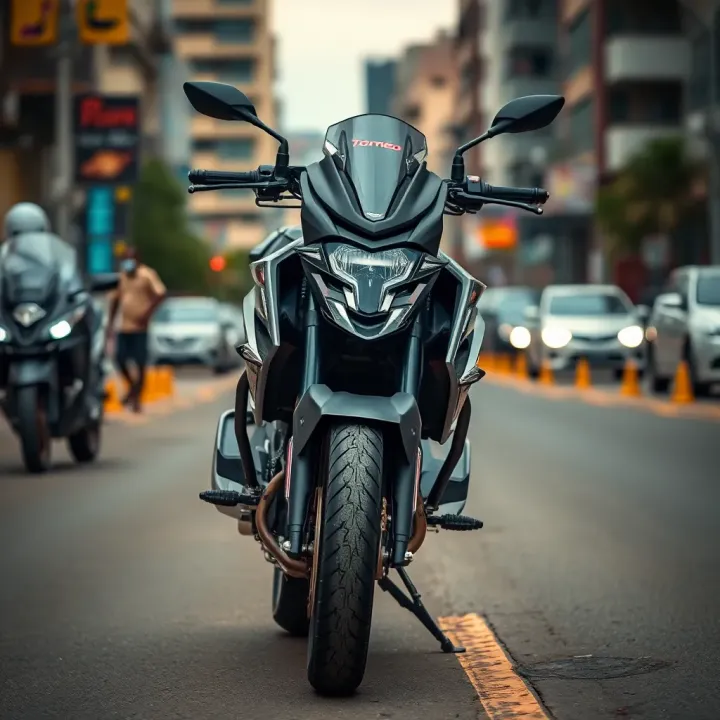
This motorcycle suits users who want a blend of decent speed, fuel economy, and ease of handling without stretching their budgets. It's particularly popular among small-scale commercial riders and young professionals who need a dependable vehicle for daily transit or quick errands.
In the context of Nigeria’s tight economic margins and frequent fuel price fluctuations, owning a bike that promises low upkeep and good fuel consumption can make a massive difference in day-to-day costs.
Understanding the MSport's key features, performance stats, and practical applications will help buyers make a smart choice. Plus, knowing how it stacks up against other popular models available locally, like the Bajaj Boxer or Haojue series, offers deeper insight into its market position.
Next, we will examine its technical specifications and what they mean for real-world use. This will be followed by hands-on performance notes and thoughts on maintenance to give a complete view that goes beyond marketing pitches.
Key Features and Design of the Torneo MSport
Understanding the key features and design of the Torneo MSport is fundamental when considering this motorcycle for either personal use or business, such as okada transport. These aspects affect performance, comfort, durability, and overall value for money—important factors for Nigerian riders coping with urban traffic and rural road conditions.
Overview of Torneo MSport's Build and Appearance
Frame and body design
The Torneo MSport features a robust steel frame that strikes a balance between strength and weight. This design supports the demands of heavy daily use, particularly for commercial riders navigating Nigerian roads which can be rough and uneven. Its relatively light frame allows easier handling in traffic yet maintains enough stability for longer rides outside city centers.
Colour options and styling
Available in several practical and appealing colour schemes such as metallic blue, black, and red, the MSport’s styling neither feels too flashy nor too dull. The conservative yet modern look fits a wide range of personal tastes and business branding. This flexibility helps riders present a professional image if using the bike for commercial purposes like conveying passengers or delivery.
Ergonomics and rider comfort
The MSport offers a straightforward ergonomics layout designed to reduce fatigue during extended rides. Its moderately padded seat and upright handlebar position provide comfort, especially during stop-and-go Lagos traffic or trips in more hilly areas. Good rider comfort means less strain, helping users stay alert and safe on the road.
Engine Specifications and Technology
Engine capacity and type
The Torneo MSport is fitted with a 110cc four-stroke engine, which is common among entry-level motorcycles in Nigeria. This engine size is practical—it delivers enough power for city commuting and light cargo transport without compromising fuel efficiency or ease of maintenance. The four-stroke technology ensures better fuel economy and lower emissions compared to two-stroke alternatives.
Fuel system and efficiency
Equipped with a carburettor fuel system, the MSport is quite straightforward mechanically. Carburettors are easier and cheaper to repair, an important point given Nigeria’s limited access to advanced motorcycle diagnostic services in some areas. Fuel efficiency ranges around 40 to 45 km per litre under typical Nigerian road conditions, meaning riders spend less per kilometre travelled, helpful during frequent fuel price hikes.
Transmission details
The MSport comes with a four-speed manual transmission that offers smooth gear changes and better control. This setup allows riders to adapt their riding style depending on road conditions, such as crawling through traffic or accelerating on open roads. A well-designed transmission like this reduces strain on the engine and extends the bike’s service life.
The combination of a durable frame, efficient engine, and rider-friendly ergonomics makes the Torneo MSport a solid choice for Nigerians looking for reliability and cost-effective mobility.
In sum, the Torneo MSport’s features and design show a thoughtful approach to everyday Nigerian riding needs. Whether you are a commuter, small business owner, or okada operator, these attributes contribute to a practical riding experience that balances durability, comfort, and running costs effectively.
Performance and Handling on Nigerian Roads
Performance and handling are vital when considering a motorcycle like the Torneo MSport for Nigerian roads, where conditions vary widely from urban highways to rural pathways. Understanding how it manages fuel consumption, ride quality, and braking determines its efficiency in daily use and helps buyers weigh long-term costs and safety.
Fuel Consumption and Running Costs
Average fuel efficiency is a strong selling point of the Torneo MSport. On average, it delivers about 60 to 70 kilometres per litre under normal urban conditions. This makes it especially cost-effective for riders covering daily distances, whether commuting to work or running errands. Given the current fluctuations in fuel prices and transport costs in Nigeria, this fuel efficiency significantly lowers operational expenses compared to larger or less efficient motorcycles.
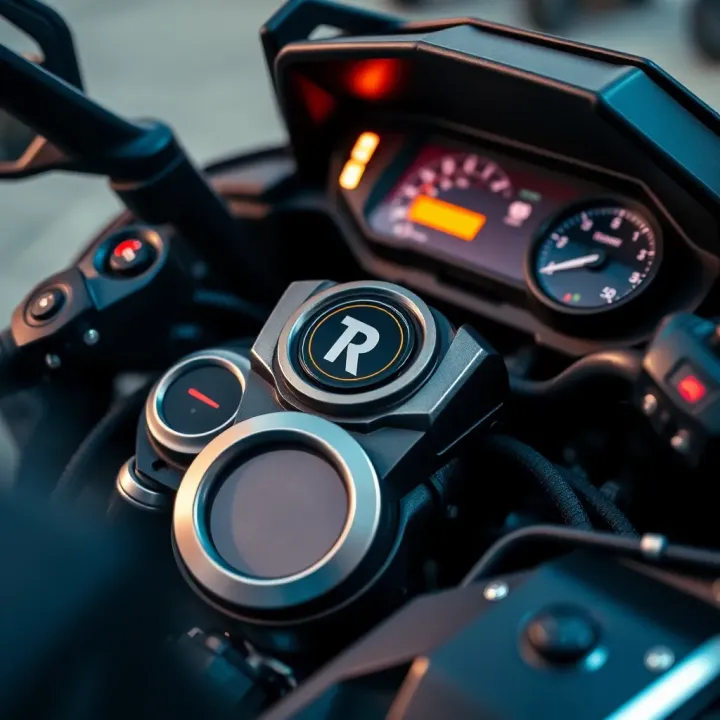
Impact of road conditions on consumption cannot be overlooked. Nigerian roads are a mix of well-tarred highways and poorly maintained roads with potholes and occasional flooding. When the Torneo MSport tackles rough terrain or traffic gridlocks common in cities like Lagos or Abuja, fuel consumption tends to increase. Constant stop-start situations and uneven surfaces force the engine to work harder, which drains fuel faster. Riders should expect a drop in mileage during peak traffic or on rural routes requiring more acceleration and braking.
Ride Quality and Handling
The suspension system on the Torneo MSport has been designed to absorb bumps and shocks from both paved and rough roads. Its front telescopic forks and rear twin shock absorbers provide a balance between comfort and control. For daily use on Nigeria’s infamous uneven surfaces, this means less fatigue during long rides and a smoother experience even on potholed streets, which generally improves rider confidence and safety.
Regarding braking performance, the Torneo MSport features front disc brakes paired with rear drum brakes. The front disc system improves stopping power on demand, crucial during sudden stops in heavy traffic or emergencies typical of busy Nigerian roads. While the rear drum brake is less advanced, it still offers adequate braking in normal conditions. This combination ensures good control but requires periodic checks and prompt replacement of brake pads to avoid wear-related risks.
Suitability for urban and rural terrain is another forte of the Torneo MSport. Its moderate engine size and robust build suit Lagos’s congested traffic and the uneven roads of states like Ekiti or Benue equally. The bike handles well through tight traffic and narrow streets, making it ideal for okada operators who ply both city centres and less developed villages. The ground clearance and durable tyres also help in crossing small rivers or bad roads in farming communities without frequent breakdowns.
The Torneo MSport balances fuel economy, ride comfort, and reliable handling, making it a practical choice for diverse Nigerian roads. Understanding these factors helps riders maximise their investment and safety on demanding routes.
This section aims to give a clear picture of how Torneo MSport performs practically, helping riders and buyers make smart decisions for their transport needs.
Common Applications and User Experiences
Understanding how the Torneo MSport performs in real-life situations sheds light on its practical value for Nigerian riders. This section highlights the bike's use in everyday commuting and small businesses, alongside feedback from users about durability and maintenance costs. These insights are crucial for anyone considering the MSport for daily or commercial use.
Use in Daily Commuting and Business
Okada Business Suitability
The Torneo MSport fits well into the okada business, thanks to its sturdy frame and fuel efficiency. Riders appreciate its balance of power and economy, allowing them to maximise earnings while keeping running costs low. For example, a typical okada operator in Lagos can cover dozens of trips daily without frequent stops for fuel, thanks to the MSport's fuel-saving technology. Its design also supports quick manoeuvring in traffic, an essential feature for city riding.
Moreover, the affordability of the MSport makes it accessible to many startup okada operators. Its reliability reduces downtime caused by mechanical failures, which is vital when every hour off the road means lost income. Coupled with a decent load capacity, it can easily carry passengers or small packages, expanding potential earning opportunities beyond just passenger transport.
Personal Transport Benefits
Beyond business use, the Torneo MSport serves as a solid choice for personal transport. It offers comfortable riding suited to Nigeria's mixed road conditions, including urban potholes and semi-rural paths. An average commuter travelling from Ikeja to Ojodu, for instance, would benefit from the smooth ride and efficient fuel consumption.
Its light weight and ergonomic build give less experienced riders confidence, especially in congested areas. The bike also requires less capital investment and minimal maintenance compared to bigger motorcycles, making it ideal for private owners looking for affordable daily mobility without sacrificing comfort or style.
Feedback from Nigerian Riders
Durability and Reliability Reports
Users commonly report that the Torneo MSport holds up well under Nigerian conditions, which include rough roads and fluctuating weather. Several riders have observed that critical engine components and the chassis remain robust even after extended use. This durability translates to fewer breakdowns and longer service life, a big selling point for those depending on their bike for income.
Some riders from Enugu and Ibadan shared positive experiences regarding the bike's resistance to wear and tear, citing consistent performance even with less-than-ideal maintenance routines. However, like any machine, regular checks remain important to sustain this reliability.
Cost of Maintenance and Repairs
When it comes to maintenance, the Torneo MSport stands out for its reasonable upkeep costs. Spare parts are widely available in Nigerian markets, often matching the prices of similar models like Bajaj Boxer. Routine servicing, including oil changes and brake adjustments, can be done without draining finances.
Repairs tend to be straightforward, with many mechanics familiar with the model, especially in major cities. This accessibility lowers the total cost of ownership compared to more complex or imported bikes. For instance, replacing wear parts such as brake pads or clutch plates costs a fraction of the initial purchase price, helping owners keep the bike roadworthy without breaking the bank.
The MSport's blend of affordability, durability, and fuel efficiency makes it a practical choice for Nigerians needing a reliable motorcycle for business or personal use.
Overall, user experiences with the Torneo MSport reflect its role as a dependable and economical motorcycle that meets everyday demands across Nigerian roads and cities.
Maintenance, Spare Parts and After-Sales Support
Proper maintenance, easy access to spare parts, and reliable after-sales support are essential when considering the Torneo MSport, especially for Nigerians who rely on their motorcycles daily, whether for personal use or running okada businesses. These factors significantly influence the bike’s lifespan, operational cost, and overall satisfaction.
Routine Maintenance Guidelines
Recommended service intervals
Owners should stick to scheduled service checks to keep the bike running smoothly. Generally, Torneo MSport requires a service every 1,000 to 1,500 kilometres or roughly every month for regular riders. At these intervals, essential checks on engine oil, chain tension, brake condition, and tyres help prevent costly breakdowns. Such routine servicing is practical for Nigerian riders, considering the variable road conditions and heavy usage.
Neglecting these service intervals often leads to faster wear and tear. For example, failing to change engine oil on time in dusty Lagos traffic or uneven rural roads can lower engine performance and increase fuel consumption.
Common maintenance tasks
Simple maintenance tasks include checking and topping up engine oil, cleaning the air filter, lubricating the chain, and inspecting brakes and tyres. These are straightforward procedures often performed by local mechanics at affordable rates. Changing spark plugs and adjusting the clutch or brakes are also part of regular upkeep, which reduces sudden failures.
Given Nigeria’s hot climate and rough roads, tasks like regularly cleaning the air filter are particularly important to avoid dust build-up which can clog the engine. Regular chain lubrication also extends the lifespan of drive components, saving money over time.
Availability and Cost of Spare Parts
Spare parts accessibility in Nigerian markets
One big advantage of the Torneo MSport is its spare parts’ availability across major cities like Lagos, Abuja, and Port Harcourt. Spare parts such as brake pads, sprockets, chains, and carburettors are commonly stocked in local motor shops. This easy access ensures faster repairs and less downtime, important for riders who depend on their bikes for daily income.
Besides physical markets, spare parts for Torneo MSport are also found on popular Nigerian e-commerce platforms specialising in motorbike accessories. This availability makes it easier to source genuine components compared to some lesser-known brands, which might require waiting weeks or settling for lower-quality tokunbo parts.
Pricing compared to other motorcycle models
Spare parts for the Torneo MSport are generally more affordable than parts for bigger brands like Bajaj or TVS. For instance, a set of brake pads or a new chain for Torneo often costs 10-20% less than the equivalent parts for Bajaj Boxer models. This price difference can add up significantly for okada operators managing fleet maintenance.
Moreover, the Torneo parts also tend to have good balance between cost and quality, offering durability without sending your maintenance bills soaring. Given that motorcycle upkeep is a major expense for everyday Nigerian riders, this affordability makes the Torneo MSport a reliable and practical choice.
Regular maintenance and easy access to affordable spare parts make the Torneo MSport well-suited to meet the demands of Nigerian roads and riders’ pockets alike.
Comparing Torneo MSport with Other Motorcycles in Nigeria
In Nigeria's bustling motorcycle market, it helps buyers weigh options carefully before picking a model. Comparing the Torneo MSport against popular alternatives helps clarify which bike delivers better value, fits specific uses, and handles local road challenges. This assessment considers performance, durability, running costs, and availability of spares — all crucial for Nigerian riders managing daily okada work or personal transport.
Comparison with Popular Competitors
Torneo MSport vs Bajaj Boxer
Between the Torneo MSport and the Bajaj Boxer, riders often focus on durability and fuel efficiency. The Boxer, known for its rugged build, thrives under tough road conditions and heavy loads, making it a common sight in northern Nigeria's longer hauls. That said, the MSport has a slightly sportier design and offers smooth handling, which appeals more to city commuters navigating Lagos or Abuja traffic.
Fuel consumption-wise, both bikes are competitive, but the MSport reportedly gets marginally better mileage on typical Nigerian roads. Maintenance costs for the Boxer might be higher due to its heavier parts, whereas the MSport's lighter frame often means cheaper repairs. This makes the MSport attractive for riders looking to keep daily expenses low while enjoying decent power.
Torneo MSport vs TVS and other models
When stacked against the TVS XL, often dubbed a 'workhorse' for load carrying, the MSport leans more towards personal mobility. The TVS XL excels in cargo capacity and robust mechanics, suitable for small business owners transporting goods. In contrast, the Torneo MSport offers better acceleration and responsiveness, favouring riders prioritising speed and agility.
Other models, such as the Haojue or Keke Tokunbo bikes, may share price brackets with the MSport but differ in after-sales support or availability of parts. The MSport benefits from a growing local market for spares, reducing downtime — a vital consideration for those relying on motorbikes for income.
Value for Money and Overall Recommendation
Price point analysis
Torneo MSport is generally priced in the mid-range segment, making it affordable without compromising essential features. It strikes a balance between the budget-friendly TVS XL and the more premium Bajaj Boxer. For ₦280,000 to ₦350,000, buyers get a bike with reliable fuel efficiency, ergonomic design, and decent power output, well-suited for Nigerian road conditions.
Compared to fully imported motorcycles, the MSport's local assembly or sourcing keeps costs down, easing the strain on wallets especially during ember months when expenses rise. Given contemporary naira volatility, this price range represents practical value for most Nigerian riders.
Best target users
The MSport suits several user groups. Okada riders operating in urban centres will appreciate its nimbleness and reasonable maintenance costs. It fits well for young professionals or students requiring a dependable personal motorcycle without the fuss of frequent repairs.
For small business owners, the MSport serves as efficient transport for quick errands or short-distance deliveries but may lack the load capacity of heavier models like the TVS XL. Ultimately, those valuing a solid balance between price, performance and upkeep will find the Torneo MSport a solid choice in Nigeria's motorcycle market.
Choosing the right motorcycle is about matching features with your needs. The Torneo MSport’s blend of affordability and performance makes it a worthy contender among Nigerian riders, especially for those prioritising cost-effectiveness and everyday reliability.
FAQ
Based on 14 reviews