
Understanding Msport Games in Nigeria: Types and Impact
Edited By
Obinna Nwankwo
Starting Point
Msport games have quickly carved out a significant space within Nigeria's sports and entertainment sectors. Blending digital gaming with real sports elements, msport games offer a fresh interactive experience for a wide range of users—from casual gamers to serious competitors. This category includes anything from virtual football tournaments to fantasy sports leagues that tap into Nigeria's strong passion for football, basketball, and athletics.
These games typically run on several platforms, including mobile apps, web-based portals, and dedicated gaming consoles. Popular platforms like PlayStation and Xbox exist alongside local trends where smartphones dominate. For instance, many young Nigerians engage in football-based msport games on mobile apps such as Dream11 and local gaming hubs, pushing these games beyond just amusement to involve competition and sometimes financial rewards.
Msport games are not just digital pastimes; they are shaping youth culture and influencing Nigeria's economy through job creation, sponsorship deals, and digital engagement.
Understanding categories of msport games helps clarify their impact.
Fantasy Sports: Users select real athletes to form virtual teams competing based on actual match outcomes—common in football and basketball.
Simulation Games: These mimic real sports closely, with realistic graphics and gameplay, such as FIFA or NBA 2K.
eSports Tournaments: Competitive events where players from all over Nigeria (and beyond) participate in organised matches for prize money and recognition.
These categories meet diverse preferences and skill levels, enhancing accessibility.
The rise of msport games also creates fresh opportunities for youth involvement, reducing idle time and encouraging both teamwork and strategic thinking. From an economic angle, msport games contribute significantly to Nigeria's burgeoning digital economy, attracting advertisers, sponsors, and even government interest as the sector matures.
Still, challenges like limited internet access in rural areas, inconsistent power supply, and unreliable payment systems occasionally hinder growth. That said, innovations in fintech and telecom continue to ease participation barriers.
Ultimately, msport gaming is more than a passing trend. It parallels Nigeria’s wider digital adoption and growing appetite for tech-driven entertainment and sports interaction, signaling strong prospects for both social engagement and economic contribution.
Defining Msport Games and Their Popularity
Understanding what Msport games really mean is key to grasping their growing influence in Nigeria's entertainment and sports scenes. These games blend digital technology with sports, creating new categories of competition and leisure that resonate strongly with Nigerian youths and sports enthusiasts alike.
What Are Msport Games?
Msport games are essentially mobile and online games that simulate real-world sports experiences or offer competitive sports-like gameplay. They range from virtual football matches to fantasy leagues and prediction games where participants test their skills against others. Unlike traditional video games, Msport games focus on sports-centric competition, drawing on elements of real sports’ tactics, rules, and teamwork. For example, a mobile football game on your smartphone where you manage a team and play matches counts as an Msport game. Equally, fantasy football platforms that let Nigerians draft teams and score points based on actual match outcomes fall under this umbrella.
Rise of Msport Games in Nigeria
The surge in Msport games' popularity in Nigeria owes much to increased internet accessibility and the widespread use of smartphones. Platforms like PlayStation Network and mobile apps such as Dream11 have attracted large numbers of Nigerian players. In urban centres like Lagos and Abuja, many youths engage with these games not only for entertainment but also as avenues for social connection and sometimes income generation through competitions.
The affordability of data plans combined with the appeal of sports has pushed Msport games into mainstream Nigerian leisure activities.
Moreover, Msport games have grown particularly during periods when physical sports events are limited, such as during the COVID-19 lockdowns when many pivoted to mobile sports gaming. This shift has expanded the market and sped up interest by combining Nigeria’s love for football and the convenience of mobile tech.
In summary, Msport games capture the passion Nigerians have for sports and blend it with technology to create accessible, interactive experiences. Recognising their nature and popularity offers insight into their significant cultural and economic roles today.
Common Types of Msport Games Played in Nigeria
Msport games in Nigeria cover a range of formats that attract diverse players, from casual gamers to serious bettors. Understanding the common types helps clarify why these digital sports have gained traction and how they influence entertainment and betting industries. Two main categories stand out: mobile sports and e-sports titles, alongside fantasy sports and prediction games. Each type provides distinct experiences and opportunities for skill development and economic engagement.
Mobile Sports and E-Sports Titles
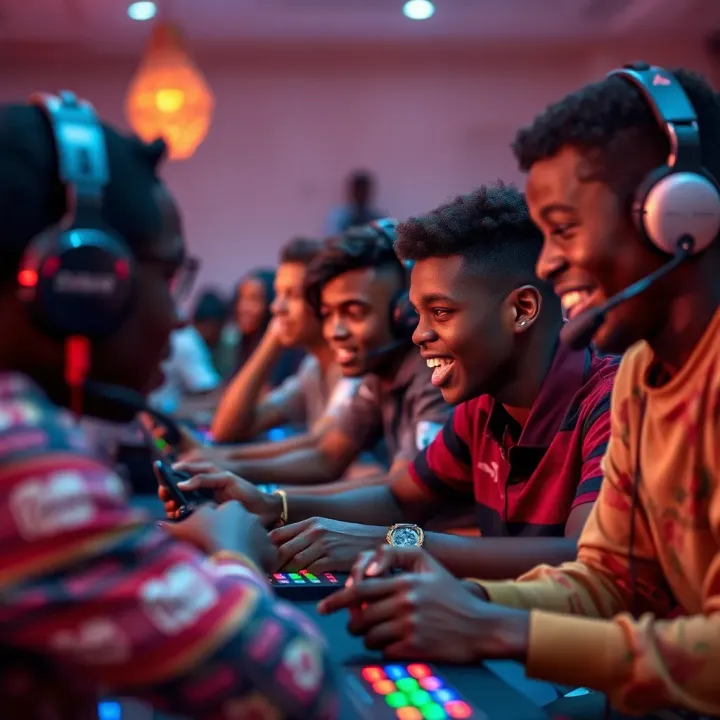
Mobile sports and e-sports games form the backbone of the msport ecosystem in Nigeria. Titles like FIFA Mobile, PES Mobile, and Call of Duty Mobile have massive followings, blending physical sports simulations with competitive online play. These games allow players to compete locally or internationally, often through tournaments hosted on popular platforms such as the MTN eSports Arena or PlayStore.
The appeal lies in accessibility; many Nigerians own smartphones capable of running these games, making participation cost-effective compared to traditional sports. Additionally, e-sports fosters tactical thinking, team coordination, and quick reflexes, skills increasingly sought after in tech-driven job markets. Corporate sponsors, including telecom giants like Glo and MTN, have invested in tournaments, elevating the profile of these games and encouraging youth engagement.
Moreover, mobile e-sports are tools for social connection, providing a platform where youths from Lagos to Kano can interact beyond geographical boundaries. This boosts informal learning and entrepreneurship, with some players turning professional earning from competitions and streaming.
Fantasy Sports and Prediction Games
Fantasy sports and prediction games represent a different, yet equally relevant, segment of msport gaming. Unlike direct gameplay, fantasy platforms such as NairaBet Fantasy Football and Bet9ja give users the chance to build teams or predict outcomes based on real-life football leagues, Nigerian or international. This form engages a wide audience that includes bettors and sports analysts, blurring the lines between gaming and sports gambling.
With fantasy games, skill in analysing player form, match statistics, and strategic selection determines success. This encourages users to stay informed about various leagues, enhancing their sports knowledge and decision-making abilities. Given Nigeria’s deep passion for football, fantasy sports tap into existing fan interest while creating new digital revenue streams.
Prediction games extend beyond football to basketball, boxing, and even politics, offering varied betting options. These games drive online traffic for betting platforms, contributing significantly to the ₦1 billion+ daily turnover in Nigeria’s online sports betting market.
The rise of fantasy sports and prediction platforms in Nigeria reflects a shift towards skill-based betting, where knowledge and analysis complement luck, offering a richer experience for users.
In summary, mobile sports titles promote direct competition and skill-building through interactive gameplay, while fantasy and prediction games engage users analytically, merging sports knowledge with betting culture. Both types play crucial roles in expanding the msport landscape and supporting Nigeria’s growing digital economy.
Platforms and Technology Behind Msport Games
The backbone of msport games in Nigeria lies heavily on the platforms and technologies that make them accessible and enjoyable. These platforms provide the environment for gameplay, interaction, and competition, while technology ensures smooth operation even on mobile devices commonly used by Nigerian youth. Understanding these elements reveals why msport games have gained traction and how they fit into the broader entertainment and economic scene.
Popular Mobile Apps and Websites
Several mobile applications lead the pack in delivering msport games to Nigerian users. Apps like OPay Games and NairaBET are popular for their user-friendly interfaces and integration with betting markets. These platforms offer a variety of msport experiences, including fantasy football, live prediction games, and e-sports tournaments. Similarly, websites like BetKing and Merrybet combine sports betting with msport gaming features, creating a hybrid platform that appeals to a broad audience.
For pure gameplay, apps such as Garena Free Fire and Mobile Legends enjoy significant followings, thanks to their compatibility with midrange smartphones prevalent in Nigeria. These games offer competitive multiplayer modes that engage millions daily. The steady rise of local platforms such as Chipper Cash Gaming also shows Nigeria's potential to create homegrown msport ecosystems.
Connectivity and Infrastructure Challenges
Despite these advances, connectivity issues remain a significant hurdle. Mobile data costs in Nigeria, though reducing, still burden many gamers, especially those outside major cities. Frequent power outages compound these challenges, with users relying on generators or power banks to keep devices running.
Network latency and fluctuating internet speeds often disrupt gameplay, causing frustration especially during live competitions. While telcos like MTN, Airtel, and Glo invest in expanding 4G and rolling out 5G in parts of Lagos and Abuja, coverage gaps persist in rural and semi-urban areas.
Furthermore, the affordability and availability of smartphones compatible with high-end msport games can limit participation. Many players use budget or tokunbo smartphones, which sometimes struggle with graphics-heavy apps. Thus, developers often optimise their games for lower-spec devices, ensuring wider reach.
Robust platforms paired with improving but still limited infrastructure define the Nigerian msport landscape. For msport games to realize their full potential, addressing these connectivity and tech access issues remains essential.
In summary, while popular apps and websites offer diverse msport options suited to Nigerian users, infrastructure and connectivity constraints temper their impact. Supporting network growth and affordable device access will be key in expanding msport games' footprint across Nigeria.
Impact of Msport Games on Nigerian Youth and Economy
Msport games are shaping a new landscape for Nigeria’s youth, offering more than just entertainment. Their influence stretches into skill development and economic growth, positioning the sector as a significant player in the country's digital economy.
Youth Engagement and Skill Development
Young Nigerians find in msport games not only a fun pastime but a space to develop valuable skills. These include strategic thinking, quick decision-making, and teamwork. For instance, youths involved in e-sports tournaments often manage complex game tactics that require sharp focus and coordination with teammates, akin to playing in a real football match.
Moreover, participation in organised leagues and online competitions enhances discipline and time management among players. This experience can transfer to academic and professional environments. Some dedicated players have gone on to become coaches, streamers, or analysts, turning their passion into a career path.
In places like Lagos and Abuja, gaming centres provide hubs where young people access high-speed internet and gaming infrastructure, bridging the digital divide especially for those from less privileged backgrounds.
Economic Opportunities and Market Growth
The growth of msport games has opened considerable economic opportunities in Nigeria. The sector supports jobs ranging from game developers, digital marketers, tournament organisers, to broadcasters and content creators. For example, startups focusing on e-sports event management have secured investments in recent years, signalling confidence in the market's potential.
Gaming platforms like Paystack and Flutterwave have integrated payment systems that facilitate easy transactions for gamers and organisers alike, reducing barriers to participation and monetisation.
Furthermore, sponsorships from brands keen to reach youthful demographics, such as MTN and Globacom, inject financial resources into the ecosystem. These partnerships help fund bigger tournaments and prize pools, boosting visibility and participation further.
Msport games present a practical route to youth empowerment and economic diversification, especially where traditional industries face challenges.
The market still faces hurdles like inconsistent internet access and limited regulation, but with growing interest from both local and international investors, the future looks promising. Businesses and policymakers should recognise msport games as a fertile ground for innovation and economic inclusion in Nigeria’s digital era.
Challenges Facing Msport Games and Future Outlook
Understanding the hurdles that Msport games face is vital for grasping their current state and potential future in Nigeria's digital and sports scenes. These challenges range from legal and security issues to technological gaps, which can limit the growth and trustworthiness of this emerging industry. Examining these constraints alongside promising opportunities helps stakeholders—betors, analysts, students, and journalists alike—appreciate the realistic prospects and setbacks.
Regulatory and Security Concerns
The Msport industry in Nigeria currently navigates a complex regulatory environment. There’s no specific law that governs Msport games, which leaves developers and bettors often unsure about compliance and legal protections. This absence of regulation makes it easier for fraudulent platforms to operate, leading to financial losses for users. For example, several complaints have surfaced about fake fantasy sports sites withholding winnings or leaking personal details.
Security risks also extend to data protection. Many Msport platforms collect sensitive user data such as Bank Verification Number (BVN), mobile money details, and real-time location. Without proper safeguards, this data could be exposed to hackers or misused. Considering Nigeria’s rising cybercrime rates, users and operators alike must become more vigilant about cybersecurity measures to protect both business interests and user privacy.
Moreover, responsible gaming frameworks are still in their infancy within the Nigerian context. There’s a need for clear guidelines to address addiction and underage participation, which are serious concerns especially with easy access to Msport games via smartphones.
Potential for Growth and Innovation
Despite these challenges, Msport games have considerable room for growth and innovation in Nigeria. The youth population is tech-savvy and eager for new forms of entertainment that blend digital skills with sports passion. Msport platforms can capitalise on this by introducing refined user experiences, such as seamless payment options integrating popular fintech services like Paystack and Flutterwave.
Local developers can also innovate by creating culturally relevant games that resonate with Nigerian sports fans. For instance, fantasy leagues dedicated exclusively to the Nigerian Professional Football League (NPFL) could raise engagement sharply.
Looking ahead, partnerships between telecom providers and Msport platforms could solve connectivity hiccups by offering data bundles specially tailored for gaming. This move could reduce barriers for players in rural areas.
The future of Msport games in Nigeria hinges on striking a balance between robust regulation and fostering innovation to create a secure yet dynamic gaming environment.
Additionally, investment in education about digital literacy and secure online practices will equip users to navigate the Msport landscape more confidently. As more Nigerians embrace these games, the sector’s ability to generate jobs and contribute to the ₦ economy will strengthen significantly.
In summary, while regulatory uncertainties and security risks pose real obstacles, the vibrant Nigerian market offers ample opportunities for Msport games to expand and evolve meaningfully.
FAQ
Based on 12 reviews