
Betano vs MSport: Best Betting Platform for Nigerians
Betano vs MSport 🤼 – Compare sports markets, betting options, payment methods, promos, and support. Find out which platform suits Nigerian bettors best! 🎯⚽
Edited By
Bolanle Adeyemi
Understanding betting tax in Nigeria requires looking beyond just the numbers. The Nigerian government levies taxes on betting operators and sometimes on players themselves, aiming both to regulate the sector and boost national revenue. These taxes come from several pillars, each shaping how the industry operates.
The key taxes in play include:
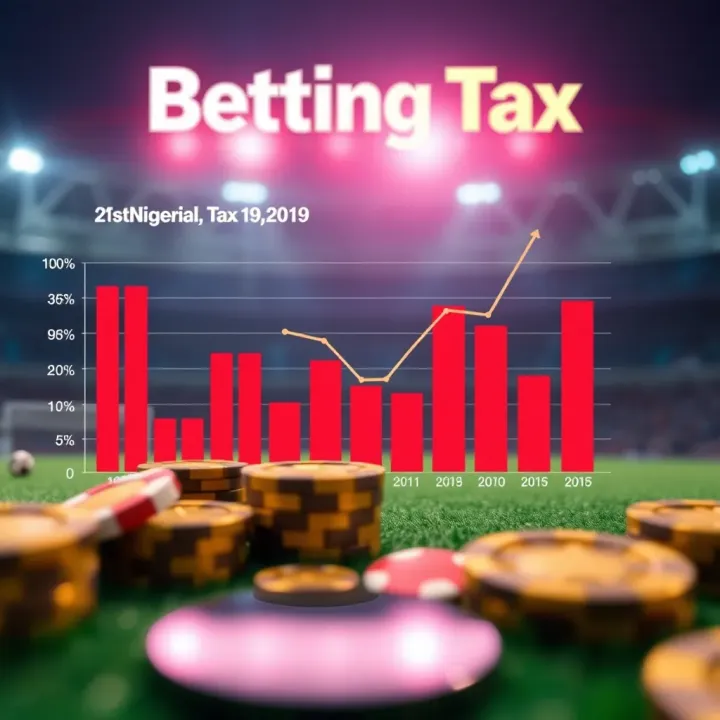
Value Added Tax (VAT): Charged at 7.5% on services offered by betting companies.
Company Income Tax (CIT): A flat 30% tax on the profits of betting firms.
Betting and Gaming Tax: A specific levy on gambling activities, exact rates depending on state regulations.
States like Lagos and Ogun have their own betting taxes which can differ from federal requirements. This means operators often juggle multiple tax obligations depending on where they run their business.
The existence of multiple tax layers can create compliance challenges for companies, often increasing operational costs and affecting odds offered to players.
For bettors, the impact appears through deductions from winnings or stake amounts, depending on the platform. For instance, a player winning ₦100,000 might see a portion withheld for tax before the payout. This affects the actual take-home amount and influences betting behaviour.
Tax officials have increased efforts to clamp down on tax evasion, especially given the rapid growth of online betting platforms like Bet9ja, NairaBET, and Merrybet. Failure to comply can lead to hefty fines, licence revocation, or legal action.
The government’s aim is twofold:
Maximise revenue in an expanding but previously under-taxed market.
Ensure consumer protection by underground activities do not thrive unchecked.
Nevertheless, the balance between encouraging industry growth and collecting tax is delicate. Over-taxation can push betting activities underground, reducing transparency and government income.
In summary, Nigerian betting tax is a complex but necessary part of the sector. Stakeholders must understand the tax structure, compliance requirements, and the practical effects on both businesses and players to navigate the industry successfully.
Understanding the overview of betting taxation in Nigeria is essential for grasping how the government balances revenue generation with regulating an evolving industry. Betting taxes impact both operators and bettors, influencing pricing, profitability, and the overall business environment. For example, operators must factor tax costs into their odds, while successful bettors often encounter withholding tax on winnings.
Grasping the legal framework and tax types helps stakeholders comply better and avoid penalties. It also clarifies how revenue flows from betting activities feed into federal and state budgets, affecting public services.
Nigerian betting taxation is grounded primarily in laws such as the National Lottery Act and various state lotteries laws. The Value Added Tax Act also comes into play regarding VAT on betting services. These laws establish who must pay taxes, what taxes apply, and enforcement mechanisms. For instance, Lagos State’s lottery law provides specific provisions different from those in other states, which affects how operators register and remit taxes.
These regulations ensure that betting activities are formalised and taxable. Without them, informal or offshore operators might escape tax, reducing government revenue and undermining industry fairness.
The National Lottery Regulatory Commission (NLRC) oversees national lotteries, ensuring compliance with federal taxation rules and licencing. It works alongside state authorities, each empowered to regulate betting within their jurisdiction, collect taxes, and enforce policies.
For example, the NLRC sets broad standards for tax reporting, while Lagos State Internal Revenue Service enforces compliance for operators within Lagos. This layered regulation helps plug revenue leakages but can create complexities for operators handling multiple tax authorities.
VAT is charged at the standard 7.5% rate on betting services provided by bookmakers and online platforms. This tax applies to the fees or stakes clients pay. For instance, if a bettor stakes ₦10,000, the operator charges VAT on that amount.
VAT collection is crucial because it ensures betting contributes directly to the government's general revenue pool. Operators must be VAT-registered and remit the collections promptly to avoid penalties.
Withholding tax applies to winnings paid to bettors, deducting a fixed percentage (usually 10%) at source. For example, a ₦50,000 winning might attract ₦5,000 withholding tax before payment is made.
This system simplifies the tax process by collecting tax upfront, but some bettors misunderstand it as a final tax. Winners may still need to declare winnings in their annual tax returns depending on income levels.

Besides VAT and withholding tax, some states impose additional levies on betting companies, such as gaming licence fees or local government taxes. For instance, Ogun and Lagos states charge annual licences fees that operators must pay before conducting business.
Local levies sometimes cover regulatory costs or social initiatives funded by betting revenue. However, varied charges across states can increase operational costs, affecting odds and player payouts.
Clear understanding of these tax layers helps bettors and operators navigate compliance, ensuring a fair and transparent betting environment in Nigeria.
Understanding how betting taxes influence both operators and individual players is key to grasping the broader impact of taxation on Nigeria’s booming betting industry. These taxes not only shape the business models of bookmakers but also affect the net returns for bettors. This section breaks down these effects to clarify what stakeholders should expect and plan for.
Bookmakers in Nigeria have clear tax obligations, starting with registration for tax purposes. Every licensed operator must register with the Federal Inland Revenue Service (FIRS) and applicable state tax authorities to ensure their income and betting turnover are properly tracked. Registration allows authorities to monitor compliance and revenue flows, making it easier to enforce tax laws. Failure to register can attract heavy penalties or loss of licence.
Once registered, bookmakers are responsible for timely tax remittance. This includes Value Added Tax (VAT) on betting services supplied, withholding taxes on certain payments, and other levies stipulated by law. For example, if a bookmaker offers odds on football matches, they must include VAT in their pricing structure and remit collected taxes to relevant authorities monthly. The practical result is that bookmakers must build tax costs into their pricing to maintain profitability.
Taxation directly impacts operators’ profit margins and how they price their services. Higher taxes can compress margins, pushing some smaller operators towards unsustainable costs or encouraging them to operate informally. To maintain profitability, many bookmakers adjust betting odds to transfer part of the tax burden to customers indirectly. This means bettors might see less favourable odds compared to markets without such taxes. For instance, a bookmaker might offer lower payout rates on football bets to cover the VAT and other taxes, subtly passing the cost to the player.
Individual bettors encounter direct tax through withholding tax on their winnings. Nigerian law requires that a percentage of betting winnings be withheld at source—often around 10%—before the payout reaches the player. This means if you win ₦100,000, ₦10,000 will be deducted as tax. Operators remit this withheld amount to the government, easing tax administration and reducing the risk of tax evasion.
Declared versus undeclared income remains a concern for both tax authorities and players. While withholding tax ensures the government collects dues upfront, bettors must still properly declare their winnings when filing annual tax returns, especially if they earn from multiple sources. Undeclared winnings might trigger audits or penalties if discovered, but many bettors do not declare these incomes, especially when winnings come from informal or unregulated channels. Transparency about winnings helps maintain tax compliance and supports a formalised betting ecosystem.
Tax on betting winnings reduces what the player pockets but helps build a more transparent and regulated sector, benefiting all stakeholders over time.
Together, these tax responsibilities and requirements shape how the Nigerian betting scene functions, influencing everything from operator pricing to bettor behaviour. Staying informed about these elements helps everyone navigate the betting market more confidently and legally.
Betting tax plays a significant role in boosting government revenues at both federal and state levels in Nigeria. As the betting sector expands rapidly, its contribution to fiscal coffers has become more pronounced. This revenue helps fund public services and infrastructure, which benefits the broader economy.
The Nigerian government collects various taxes from the betting industry, with estimates showing that betting taxes generate hundreds of millions of naira annually. For example, in Lagos State alone, betting-related taxes including value-added tax (VAT), withholding tax, and state betting levies contribute significantly to its internally generated revenue (IGR). This inflow supports the state’s budget for projects like road repairs and public health initiatives.
At the federal level, agencies like the Federal Inland Revenue Service (FIRS) gather betting taxes as part of broader tax collections. While exact figures vary yearly, betting taxes have become a dependable income source amid fluctuating oil revenues. The growing popularity of online and retail betting platforms has expanded the formal tax base, underscoring the sector’s financial importance.
Governments rely on betting tax revenues to supplement funding for essential services without raising general tax rates. For instance, Lagos State has channelled revenues from the betting sector into improving public transport and social programmes, demonstrating practical benefits from these funds.
Besides state projects, federal allocations partially fund national initiatives, including educational scholarships and health campaigns. Betting revenues form part of a broader diversification strategy to reduce dependence on oil, making these funds increasingly vital as the economy seeks stability.
Despite the growing revenue, tax collection faces hurdles due to the informal nature of many betting activities. Informal or unregistered operators escape taxation, causing significant revenue losses. This unregulated market also exposes players to risks such as fraud and lack of consumer protection.
Informal betting markets not only reduce government earnings but also hinder proper regulation and customer safeguards.
Tax evasion is common in informal settings where cash transactions dominate, making tracing difficult. For example, many local betting shops operate without formal documentation, limiting tax agencies' ability to assess and collect taxes accurately.
Regulatory agencies like the National Lottery Regulatory Commission and state tax offices often struggle with limited resources and manpower to enforce tax laws effectively. The rapid growth of online betting platforms complicates monitoring, as some operate offshore or without Nigerian tax registration.
Technology improvements and data analytics are gradually helping regulators track operators and transactions better. However, persistent enforcement gaps mean some operators avoid compliance, weakening the tax system’s effectiveness.
Building stronger collaborations between betting companies and tax agencies could boost compliance, ensuring fair taxation and protecting revenues essential for public spending.
The Nigerian betting tax is more than a revenue stream; it supports government efforts to diversify income and fund critical public goods. Tackling collection and enforcement challenges will be key to sustaining this financial benefit.
Compliance issues and regulatory developments significantly affect how betting taxes function in Nigeria. Addressing compliance challenges ensures that the government collects due revenue while maintaining a fair environment for operators and bettors. Meanwhile, evolving regulations shape how the industry adapts to tax obligations and market realities. Both factors influence the sector's growth and sustainability.
One common hurdle is the lack of proper records and tax reporting among many betting operators. Numerous small and medium-sized bookmakers struggle to maintain accurate financial books due to inadequate accounting systems or limited capacity. This shortfall causes gaps in tax reporting and remittance, leading to revenue losses for the government and risks of penalties for operators. For example, a local bookmaker running multiple betting shops across Lagos without centralised accounting might fail to fully report earnings, creating compliance complications.
Another issue involves unregistered operators and offshore platforms. A sizable share of betting activity occurs outside formal regulatory oversight. Some operators fly under the radar by not registering with the Nigerian authorities, either to evade taxes or sidestep regulatory scrutiny. Additionally, bettors increasingly access foreign betting websites based offshore, which the Nigerian tax system cannot easily control. This situation deprives tax authorities of levies on winnings or company profits and creates a level playing field problem for registered local businesses.
There have been amendments to tax laws affecting betting that aim to increase tax collection efficiency and clarify operator responsibilities. For instance, recent adjustments in withholding tax rates on betting winnings and VAT application have clarified obligations for both companies and players. Such changes help reduce confusion, improve compliance, and ensure that tax policies keep pace with the sector's rapid expansion. These amendments remind operators to stay updated and adjust systems accordingly.
On top of legislative changes, the government has launched initiatives to improve tax compliance within the betting industry. This includes enhanced collaboration between the Federal Inland Revenue Service (FIRS) and state tax agencies to monitor operators more closely, particularly through digital tools. The government also encourages formalisation of informal operators by offering streamlined registration processes and awareness campaigns about tax benefits. These efforts aim to widen the tax net, reduce evasion, and build a more transparent sector.
Addressing compliance and evolving regulations is vital for balancing government revenue goals with sustainable industry growth. Without tackling these issues, Nigeria risks losing billions in potential tax income and undermining the betting sector’s future.
Looking ahead, shaping a practical and fair betting tax policy is essential for Nigeria's betting industry to flourish without stifling innovation or market growth. Crafting policies that balance government revenue goals with industry health ensures long-term benefits for all stakeholders—operators, players, and regulators alike.
Overtaxing betting activities could push operators and bettors toward unregulated or informal markets, which often escape tax and oversight. For example, if tax rates on winnings become too high, players might avoid reporting earnings or switch to offshore platforms, undermining revenue collection efforts.
A practical approach is to apply moderate tax rates that encourage consistent participation while securing steady government income. This balance helps sustain the formal sector’s expansion, allowing betting companies to invest in improved platforms and offer competitive odds without passing excessive costs onto players.
Many operators still function informally or offshore to dodge taxes and compliance requirements. Promoting registration and licensing through incentives like reduced tax rates or easier access to payment processing channels can draw these operators into the legal framework.
Formalising the sector improves transparency, consumer protection, and tax revenue. For instance, increased formalisation supports better data collection on betting patterns, helping regulators and tax agencies identify trends and potential risks, ultimately benefiting both government coffers and players.
Digital betting platforms equipped with real-time monitoring and data analytics can simplify tax calculation and remittance. These technologies reduce errors, prevent tax evasion, and enable more accurate revenue forecasting.
For example, operators using secure online portals linked directly to tax agencies allow immediate withholding tax deductions on winnings. Such integration prevents underreporting, benefits taxpayers through transparent records, and boosts government confidence in collected funds.
Strong partnerships between regulatory bodies like the Federal Inland Revenue Service (FIRS) and betting companies encourage compliance and timely tax payment. Regular dialogue fosters understanding of challenges facing operators, helping design practical reporting deadlines and filing procedures.
This collaboration might include joint initiatives such as compliance workshops, regulatory updates, or co-developed software tools tailored for Nigeria’s diverse betting landscape. Such teamwork strengthens trust, reduces enforcement costs, and ultimately leads to a healthier, more sustainable betting tax environment.
A balanced approach that blends fair tax rates, sector formalisation, and technology-driven transparency promises to grow Nigeria's betting industry responsibly while boosting government revenues significantly.
Betano vs MSport 🤼 – Compare sports markets, betting options, payment methods, promos, and support. Find out which platform suits Nigerian bettors best! 🎯⚽
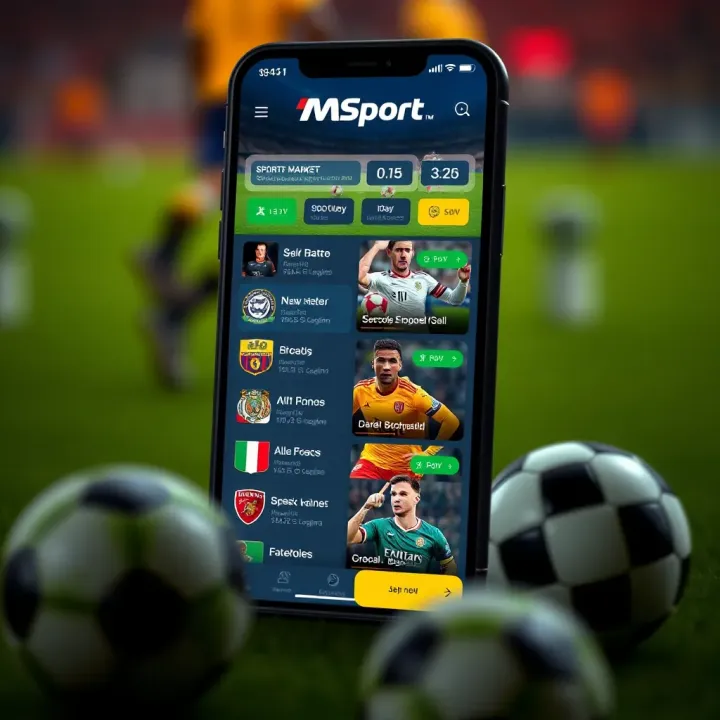
Discover the MSport betting app 🇳🇬: registration, betting types, payment options like Paystack & Quickteller, secure gameplay, plus reliable customer support to boost your betting experience!
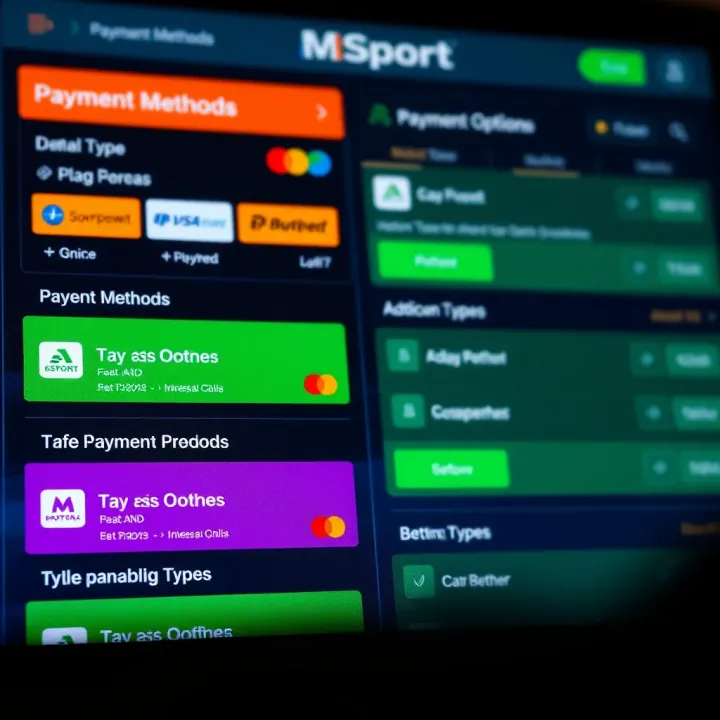
Discover how to easily register and bet on MSport 🏀⚽ with safe payment options in ₦. Get tips to boost your chances and dodge common pitfalls on this rising Nigerian betting site.
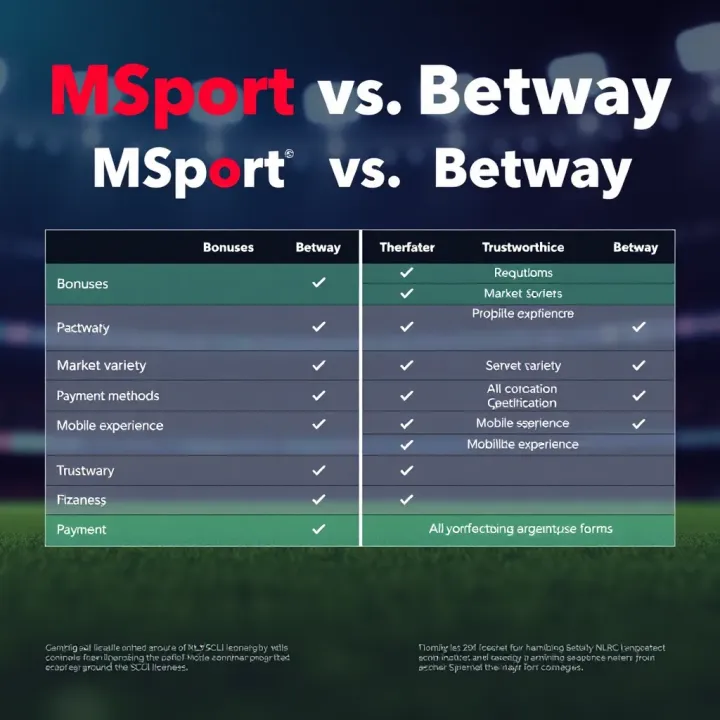
🤑 Dive deep into MSport vs Betway! Compare bonuses, market options, payment ease, mobile use & trust to spot the best platform for your ₦ betting hustle.
Based on 13 reviews