

MSport Founder: Vision and Impact on Nigerian Sports
Discover the MSport founder’s inspiring journey⚽, their vision for Nigerian sports development, challenges faced, and lasting impact on youth empowerment🇳🇬.
Edited By
Oluwatobi Adeyemi
The MSport Premier League stands as one of Nigeria's key football competitions, attracting fervent fans and playing a pivotal role in the nation's football ecosystem. Organised by MSport Integrated, a sports management and promotion outfit, the league showcases local talent and fuels grassroots football enthusiasm across Nigeria.
Structured on a straightforward format, the league runs annually with a fixed calendar aligning mostly with Nigeria’s football season from March to November. It features 16 teams drawn from various states, each aiming for the top spot to earn both prestige and qualification for continental tournaments like the CAF Champions League.

Teams compete in a round-robin format, playing each other twice – home and away – resulting in 30 matches per team per season. Points are awarded in the traditional format: three points for a win, one for a draw, and none for a loss. At season’s end, the team with the highest points is crowned champion, while the lowest-ranked sides face relegation to the Nigeria National League, promoting competitive balance and motivation.
Beyond the basics, the MSport Premier League impacts Nigeria’s football talent pipeline significantly. It provides a visible platform for young players to display their skills, attracting scouts and agents from both local clubs and overseas. For example, the rise of certain stars from MSport clubs to the Nigerian national team has been a boost to national pride and local interest.
Fan engagement is another notable aspect. With clubs hailing from different regions, the league enjoys vibrant supporter bases who turn out in large numbers for home games, fuelling immense atmosphere and commercial sponsorship interest. Shops selling club merchandise, local broadcasting deals, and matchday ticket sales contribute to a growing sports economy around the league.
The MSport Premier League isn’t just a competition; it acts as a catalyst for Nigeria’s broader football advancement—from player development to economic activity. It reflects how sports can thrive amid Nigeria's unique challenges while offering opportunities for growth.
In summary, understanding the MSport Premier League means appreciating its well-designed structure, diverse team line-up, and the solid influence it exerts over Nigerian football both on and off the pitch. This league is a major stepping stone in reinforcing Nigeria's position on Africa’s football map.
The MSport Premier League stands as one of Nigeria's key football competitions, shaping the nation's football scene by fostering local talent and entertaining millions. Understanding this league means appreciating its impact on the sports economy, community engagement, and national football development. It’s not just about the matches but also about how the league feeds into the broader football ecosystem in Nigeria.
By diving into the MSport Premier League, stakeholders such as bettors, journalists, and analysts get valuable insights into team performances, league trends, and player development. For example, sports analysts use league data to predict outcomes and identify emerging talents who might soon represent Nigeria at international levels. Journalists benefit from its rich history and ongoing narrative to create in-depth stories that resonate with Nigerian sports fans.
Knowing the structure and objectives of the MSport Premier League helps accountants and business professionals understand the financial and administrative side of league management, including sponsorship deals and revenue flow from broadcasting rights. This knowledge is crucial for evaluating investment opportunities within Nigerian football.
The MSport Premier League was officially established in 2015 as a response to the increasing demand for a competitive, well-organised elite football competition in Nigeria. Before its creation, Nigerian football suffered from inconsistent scheduling and weak governance in top-tier leagues. The league’s launch aimed to address these issues by providing a stable platform where clubs could compete professionally.
In its early years, the league featured a modest number of clubs, gradually expanding as football’s popularity surged nationwide. The introduction of the MSport Premier League marked a fresh chapter for Nigerian football, promoting professionalism and raising the bar for clubs, players, and officials alike. Clubs such as Lagos United and Kano Royals, which were once local favourites, have grown their fan bases significantly since the league's inception.
The league’s primary objective is to enhance the quality of football in Nigeria by providing a consistent and competitive environment for players to hone their skills. This focus on development serves as a pipeline for national teams, with many homegrown talents emerging from the league.
Besides player development, the MSport Premier League aims to boost economic activities surrounding football, including job creation in media, hospitality, and merchandising. For instance, match days see increased business for local vendors and transport operators, contributing to local economies.
Importantly, the league seeks to engage fans across Nigeria, fostering a passionate football culture. Through strategic media partnerships and fan programmes, it encourages attendance and viewership, which helps maintain enthusiasm and support for Nigerian football at all levels.
The MSport Premier League is more than a competition; it’s a driver of football growth, economic opportunities, and community pride in Nigeria.
In summary, this overview sets the foundation for understanding the league’s structure, teams, and wider impact within Nigerian football. Appreciating its history and goals clarifies why the MSport Premier League matters not just to sports lovers, but to various professionals connected to the Nigerian football ecosystem.

The MSport Premier League's structure is fundamental to its smooth running and overall success. It not only defines how teams compete but also sets the tone for competitive balance and commercial growth. Well-organised leagues attract sponsorship, media attention, and strong fan engagement, all key for Nigerian football’s development.
The league follows a round-robin format where each participating club plays home and away matches against every other team. Typically, with 20 clubs competing, each team plays 38 matches during the season. These fixtures are carefully scheduled to avoid clashes with international breaks and major Nigerian events such as election days or religious holidays.
Matches usually take place on weekends and select weekday evenings to maximise attendance and broadcast viewership. For instance, the Lagos derby often kicks off on a Saturday afternoon to ensure greater stadium crowd while prime-time matches are held on TV-friendly evenings to cater to viewers nationwide. This schedule balances team travel logistics, fan convenience, and broadcasting demands.
The MSport Premier League operates a promotion and relegation mechanism with the Nigeria National League (NNL), the tier immediately below. By the season’s end, the bottom three teams in the Premier League drop to the NNL, while the top three from the NNL gain promotion.
This system keeps the competition intense as clubs fight to avoid relegation, which would mean loss of revenue and prestige. At the same time, it allows emerging clubs from lower divisions to advance, enriching the league with fresh talent and regional representation. For example, a club from Kano could earn promotion and bring northern fan interests into the national spotlight.
The league is governed by the Nigerian Football Federation (NFF) under its Professional Football League committee. They set and enforce rules regarding club licensing, financial transparency, player registration, and match officiating standards.
Oversight ensures clubs meet minimum standards for stadium safety, fan security, and youth development programmes. For instance, the withdrawal of any club failing to maintain stadium conditions safeguards the league’s reputation. Financial audits and disciplinary panels also help maintain fairness and prevent corruption.
Effective governance and clear organisational structures strengthen the league’s credibility, ensuring it remains attractive to investors and sustainable for Nigerian football’s future.
This combination of clear format, competitive promotion systems, and strict governance positions the MSport Premier League as a leading platform where Nigerian football can grow professionally while sparking passion across the nation’s diverse fan base.
Understanding the MSport Premier League requires a close look at its participating teams and standout players. These clubs and talents form the backbone of the competition, driving both the quality of matches and the league’s growing reputation within Nigerian football.
The MSport Premier League features a mix of historical powerhouses and emerging clubs from across Nigeria's diverse regions. Clubs like Enyimba FC, with its decorated history in domestic and continental competitions, bring experience and fan loyalty that anchor the league’s appeal. On the other hand, fresh entrants such as Delta Force FC add competitive balance and broaden the league’s geographic representation.
Each club operates with different resource levels, reflecting Nigeria's varied football ecosystem. Lagos-based teams often enjoy commercial sponsorships and larger fanbases, which translate into better training facilities and scouting networks. Meanwhile, clubs from less urbanised areas rely heavily on community support and youth academies to nurture talent. This contrast fuels a compelling league dynamic where strategy and resilience often matter more than finances.
The league has become a fertile ground for both seasoned stars and rising prospects. Veterans like John Utaka, who has featured prominently in Nigerian football and abroad, often take leadership roles, mentoring younger players on and off the pitch. Equally important are promising young talents such as Chukwuemeka Okoro, whose pace and technical skills have attracted attention from top-tier scouts and European clubs.
Emerging players benefit from the league's visibility and structure, which support regular competitive matches and exposure to scouts. Many football academies, often linked to MSport clubs, work tirelessly to groom these talents, offering pathways from grassroots to professional ranks. This synergy has helped Nigeria maintain a steady flow of players into national team selections and overseas contracts.
The quality of teams and players in the MSport Premier League directly influences Nigeria’s football development, feeding both the domestic scene and exporting talents globally.
The MSport Premier League plays a significant part in shaping Nigerian football by providing a consistent platform for local talent to polish their skills. With football being Nigeria's most-followed sport, the league’s development impact reverberates across grassroots levels and the professional game. By bridging the gap between youth academies and the national spotlight, the league cultivates players who might otherwise remain unnoticed.
A key strength of the MSport Premier League lies in its focus on youth development. Clubs within the league operate academies where young hopefuls train under structured coaching systems. For example, clubs like Rivers United and Enyimba FC have invested in scouting promising players from across the country, then nurture these talents through competitive matches and regular training. This exposure not only hones their technical skills but also prepares them mentally for professional demands.
The league’s schedule ensures local young players get meaningful game time against varied opposition styles, sharpening tactical awareness and physical endurance. Such opportunities matter because they reduce the overreliance on foreign-trained players in Nigeria’s football system. Moreover, grassroots players who perform well in the MSport Premier League often catch the eyes of agents and scouts who can facilitate moves abroad or to top-tier Nigerian clubs, offering career growth.
The direct influence of the MSport Premier League on Nigeria’s national teams—like the Super Eagles—is evident in the steady supply of home-grown talent. Players who have risen through the league’s ranks frequently graduate to represent Nigeria at the African Cup of Nations, FIFA World Cup qualifiers, and other international fixtures. This pipeline ensures the national team is not just a collection of foreign-based professionals but also includes players who understand the domestic football culture.
For instance, the emergence of versatile midfielders and agile forwards who developed in the league’s competitive environment has added depth to the national squad. Additionally, the league acts as a testing ground for coaches and technical staff to assess local talent’s readiness and adaptability to international standards.
The MSport Premier League is more than just a football competition; it’s a critical engine fuelling Nigeria’s football ecosystem by transforming raw local talent into national assets.
In summary, the MSport Premier League drives youth development and strengthens the national team by delivering practical competitive experience and exposure. Its role in Nigerian football extends beyond the pitches—affecting scouting, coaching quality, and the country’s reputation in African and global football circles.
Fan engagement is the lifeblood of any football league, and the MSport Premier League is no exception. It shapes the atmosphere at stadia, drives merchandise sales, and builds long-term loyalty. Media coverage, on the other hand, widens the league's reach beyond physical attendance, influencing sponsorship deals and the commercial viability of the clubs.
Attendance figures at MSport Premier League matches have steadily improved, reflecting growing local interest. Cities like Enugu and Ibadan regularly see packed stadiums, with fans often arriving hours early, securing their spots despite heavy traffic and power outages. Supporters don vibrant club colours and organise chants, creating a festive atmosphere reminiscent of owambe parties but charged with football passion. The advent of structured supporters’ clubs has also fostered a sense of community, helping fans engage with clubs beyond match day.
This culture is more than just noise; it impacts team performance. Clubs report stronger home wins attributed to the backing of their fans, who bribe noisemakers and bring drums to keep morale high. Such engagement also feeds smaller businesses around stadiums, from mama put vendors to local artisans selling club scarves and hats.
Broadcasting has played a big role in expanding the MSport Premier League’s footprint. The league partners with local TV stations like NTA and AIT, providing weekly match highlights and live broadcasts that reach even rural areas where stadium access is limited. This exposure helps clubs attract new fans and sponsors.
Digital platforms have taken this further. The MSport Premier League runs active social media channels on Twitter and Instagram, sharing match updates, player interviews, and behind-the-scenes footage. YouTube channels also host full match replays, tapping into Nigeria’s youthful demographic that prefers on-demand content. Mobile streaming partnerships with platforms like IrokoTV and Showmax increase accessibility, especially for younger fans who rely on smartphones.
All these media efforts create a feedback loop: fans watch online, become more invested, attend games, and promote the league organically, sustaining growth in Nigeria’s challenging football environment.
In sum, fan engagement and solid media coverage are intertwined pillars that elevate the MSport Premier League. They not only boost matchday revenues and fan loyalty but also attract investors and improve the general perception of Nigerian football domestically and beyond.
Discover the MSport founder’s inspiring journey⚽, their vision for Nigerian sports development, challenges faced, and lasting impact on youth empowerment🇳🇬.

Explore Msport games in Nigeria 🎮, their types, popular platforms, and impact on youth ⚽. Understand their role in boosting entertainment and the economy ₦.
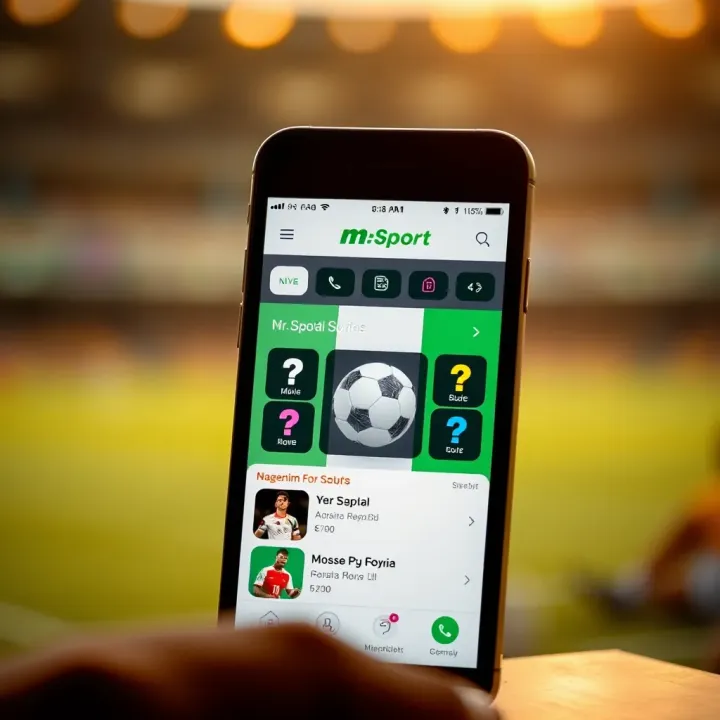
Discover how to apply for mSport in Nigeria 🏃♂️. Learn all steps, key features, and tips to get the best out of this digital sports platform tailored for Nigerian users 🇳🇬.

📲 Want to bet safely on Nigerian sports? Learn how to open MSport account, verify details, deposit ₦, place bets & withdraw winnings in this clear, practical guide.
Based on 12 reviews