

Understanding Msport Mines Rules in Nigeria
Discover Msport Mines rules in Nigeria⛏️ covering regulations, safety, environmental care, and mining operator duties to ensure lawful and responsible mining activities.
Edited By
Chinelo Okafor
MSport Mines is steadily carving out a strategic position within Nigeria's mining sector by focusing on efficient operations, targeted investments, and strong ties with local communities and government bodies. Their approach is rooted in practical steps that balance growth ambitions with the realities of Nigeria’s mining landscape.
At the core of MSport’s strategy is investment in modern mining technologies. For example, they deploy advanced exploration tools to accurately assess mineral deposits, reducing guesswork and boosting efficiency. This tech adoption helps them cut costs on failed excavations and speed up the extraction process. In a sector often hampered by outdated equipment, their move towards digitalisation and automation stands out.

Besides technology, MSport Mines invests a fair share of their funds into developing local talent and infrastructure. They run skill acquisition programmes aimed at training Nigerians in mining best practices, thus ensuring jobs and capacity building within communities. On the infrastructure side, they work on improving access roads to mining sites across states like Kaduna and Nasarawa, simplifying transportation of minerals and reducing logistic expenses.
Stakeholder engagement forms another pillar of their strategy. MSport Mines actively collaborates with state governments, regulatory agencies such as the Ministry of Mines and Steel Development, and community leaders to navigate regulatory challenges smoothly. These partnerships help the company align with environmental standards and secure social licences to operate, which are vital in preventing community clashes common in mining zones.
However, MSport faces hurdles such as security risks in some mining regions, fluctuating commodity prices, and inconsistent power supply that affect operational costs. To counter this, they plan diversified mining activities including solid minerals like tin and barite alongside emerging interests in rare earth minerals to spread risk.
MSport Mines’ focus on technology, community partnership, and diversified investment reflects a practical blueprint for success in Nigeria’s mining sector — one that emphasises sustainable growth over quick gains.
Adoption of modern mining and exploration technology
Investment in local workforce development
Infrastructure improvements to support logistics
Active engagement with government and community stakeholders
Diversification of mineral extraction to mitigate market risks
This mix of innovative tech use, social responsibility, and strategic diversification positions MSport Mines well to contribute to Nigeria’s mining output and economic growth in a balanced, sustainable way.
MSport Mines stands as a significant player in Nigeria’s mining sector, given the country’s untapped mineral wealth and the government’s push to diversify the economy beyond oil. Understanding MSport Mines’ background and current standing offers valuable insights into how private companies can drive resource development while navigating Nigeria’s complex regulatory and operational environment.
The company’s role is not limited to extraction alone; it involves investment in infrastructure, technology, and community engagement, which together enhance local economies and support national growth targets. For stakeholders such as analysts, journalists, and students examining Nigeria’s mining landscape, identifying the history, resources, and geographical reach of MSport Mines clarifies the broader industry dynamics at play.
MSport Mines was established in the early 2010s during a period when Nigeria began emphasising diversification of its economy. The company initially focused on artisanal and small-scale mining but quickly pivoted to more commercial operations as it secured mining licences. Its founding coincided with Nigeria's efforts to formalise the mining sector under the Ministry of Mines and Steel Development, enabling private companies to access mineral deposits legally.
This foundation laid the groundwork for MSport Mines’ methodical approach to growth, positioning it as a more reliable and professional entity compared to informal operators. Understanding this origin story helps explain the company's emphasis on compliance and relationship with government bodies.
Since its inception, MSport Mines has steadily expanded beyond small-scale operations. It has invested notably in mechanised equipment and site rehabilitation, which has not only increased production efficiency but also improved environmental standards. For example, the company’s move into gold and tantalite mining in Nasarawa State marks a shift from basic extraction to value-added mineral processing.
This growth reflects wider industry trends where private firms are capitalising on new regulations and Nigeria’s mineral-rich belts. Their ability to scale operations despite challenges like infrastructural constraints and intermittent power supply signals MSport Mines’ resilience and strategic adaptability.
MSport Mines holds several key mining licences covering gold, tantalite, and barite deposits in central and southern Nigeria. These licences are critical assets that allow the company to operate legally within the Nigerian mineral code framework. The selection of these resources aligns with Nigeria’s focus on minerals that have export potential and industrial use.
Having these licences gives MSport Mines a competitive edge, allowing it to attract both local and foreign investment. For instance, the company has signed memoranda of understanding with international firms to develop certain sites further, thereby boosting Nigeria’s export revenues.
The company’s operations extend across several states, including Nasarawa, Plateau, and Ondo. This geographic spread provides diversification against localized risks such as community disputes or security issues common in mining regions. In Nasarawa, MSport Mines runs an operational mine focused on gold extraction, whereas in Ondo, it pursues offshore barite mining projects.
Strategically, this distribution enables MSport Mines to tap into different mineral deposits while balancing operational costs and logistical challenges. It also allows the company to engage with varied local communities, which is vital for securing social licence to operate and promoting sustainable mining practices.
MSport Mines’ expanding footprint and licensed asset base illustrate how focused investment and regulatory compliance can pave the way for sustainable growth in Nigeria’s mining sector.
This overview lays the foundation for exploring MSport Mines’ business strategy and technological adoption in later sections, offering the reader a clear picture of where the company stands and why it matters.
MSport Mines' business strategy rests on key pillars that ensure its continued growth and relevance in Nigeria's mining sector. Understanding these core elements sheds light on how the company aligns investment, operational efficiency, and local engagement to compete effectively. These strategic choices reflect practical responses to Nigeria's unique mining environment, regulatory framework, and market conditions.
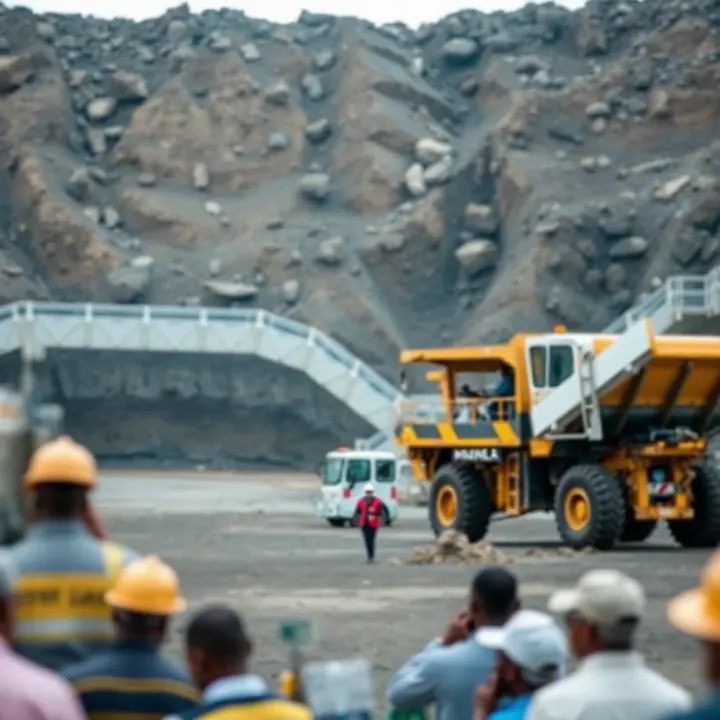
Infrastructure and equipment modernisation plays a critical role in MSport Mines' strategy. The company invests significantly in upgrading its mining machinery from outdated models to more efficient, mechanised equipment. For example, replacing worn-out drilling rigs with modern hydraulic rigs reduces downtime and boosts extraction speeds, helping MSport lower operational bottlenecks. This kind of capital outlay also extends the lifespan of mining sites and enhances safety standards, which are vital in meeting regulatory compliance and reducing accident-related costs.
Besides hardware, MSport Mines allocates funds toward improving site infrastructure—roads, power supply connections, and processing facilities. Given Nigeria's challenges with stable power and rough terrain, these investments are pragmatic, ensuring smoother logistics and uninterrupted production cycles.
Exploration and site development form the backbone of MSport Mines’ long-term growth plan. The company channels resources into geological surveys and exploratory drilling to locate new mineral deposits, particularly in underexplored regions like the North Central and parts of the Middle Belt. This proactive exploration opens avenues for future mining leases and reduces reliance on existing, possibly depleted sites.
Site development goes beyond discovery — it includes preparing the land for extraction with necessary environmental assessments and community engagement. For instance, before starting operations in a new site, MSport Mines conducts soil and water testing, then sets up infrastructure in collaboration with local authorities and communities, which helps prevent conflicts and project delays.
The strategic use of local resources and workforce is both cost-effective and socially responsible. MSport Mines recruits workers from communities near its sites, offering on-the-job training and skill upgrading. This local employment strategy reduces recruitment costs and enhances community goodwill, minimising disruptions like strikes or disputes. It also aligns with government policies encouraging indigenous participation.
Local sourcing extends to materials and services, such as hiring Nigerian maintenance firms or buying fuel locally, which cuts down on foreign exchange expenditures and supports the domestic economy.
Reducing operational expenses is a continuous focus. MSport Mines scrutinises its supply chain, looks for bulk purchase discounts on consumables like explosives, and implements energy-saving practices to cut fuel and electricity costs. For example, switching some machinery to more fuel-efficient engines has saved thousands of litres of diesel annually, which is significant considering Nigeria’s fuel price fluctuations.
By streamlining workflows, eliminating redundant processes, and using data from monitoring systems, the company tightens cost controls without sacrificing production quality or safety. This careful balance helps MSport Mines stay competitive even when commodity prices dip or inflation spikes.
MSport Mines’ approach shows that smart investment paired with efficient operations makes the difference between a struggling mine and a profitable one in Nigeria’s tricky mining terrain.
MSport Mines has recognised that technological advancement is no longer optional but necessary for survival and growth in Nigeria’s mining sector. Their approach involves integrating modern tech solutions not only to boost productivity but also to meet environmental and social standards. This strategy ensures MSport remains competitive amid rising global demand and local regulatory expectations.
MSport Mines invested heavily in mechanised equipment like hydraulic excavators, drill rigs, and haul trucks, replacing manual labour for heavy tasks. This shift improved extraction speed considerably and reduced the risk of workplace injuries common with manual operations. For example, their use of automated drill rigs in Oyo State cut site preparation time by almost 30%, enhancing project turnaround.
Mechanisation also lowers operational costs long term, even though the initial outlay is high. The company sources much of this equipment through trusted dealers in Lagos and uses local engineers for maintenance, boosting technical skills within the workforce. This ensures less downtime and better control over production schedules.
To pinpoint mineral-rich zones accurately, MSport uses satellite imagery and aerial drones combined with data analytics software. Rather than relying solely on traditional geological surveys, digital mapping helps them create detailed resource profiles, optimising drilling locations and reducing wasted effort.
By analysing historical and real-time data, the company forecasts resource yields more precisely, enabling better investment decisions. This approach reflects in their projects across Kaduna and Nasarawa states, where predictive analytics helped reduce exploration costs by nearly 20%.
Given stricter environmental policies by the Nigerian government, MSport Mines prioritises full compliance with all regulations set by the Ministry of Mines and Steel Development and the National Environmental Standards and Regulations Enforcement Agency (NESREA). They conduct Environmental Impact Assessments (EIA) before any new project and continuously monitor pollution levels on site.
These practices prevent costly legal challenges and project delays. For instance, at their Jos operations, timely adherence to EIA recommendations helped secure community trust and swift approval from regulators, enabling uninterrupted mining activities.
Beyond regulatory compliance, MSport invests in technologies to lower environmental footprint. Water recycling systems and dust control measures feature prominently in their operational design, cutting water consumption and airborne particles significantly.
The company also collaborates with local communities to reforest mined areas and rehabilitate land for agricultural use. These efforts not only reduce ecological damage but foster goodwill, which is vital in regions where mining often faces public opposition.
MSport Mines exemplifies how embracing technology and environmental responsibility can drive efficiency and social acceptance in Nigeria’s mining industry.
This hands-on approach to innovation and sustainability shows the company’s readiness to face future sector challenges while delivering steady contributions to Nigeria’s economy.
Engaging stakeholders and building partnerships form critical pillars in MSport Mines’ strategy within Nigeria's mining sector. Such engagement creates channels for cooperation, fosters trust, and helps navigate the complexities of mining operations in a country marked by varied regulatory, social, and economic factors. In Nigeria, where mining activities often intersect closely with government policies and local communities’ interests, proactive stakeholder management is not just helpful but necessary for sustainable success.
MSport Mines maintains a close working relationship with the Ministry of Mines and Steel Development, which is responsible for regulating and coordinating mining activities in Nigeria. This collaboration ensures that the company’s operations align with national mining laws, environmental standards, and development plans. For example, through regular engagement, MSport Mines stays updated on licensing requirements and policy adjustments, enabling prompt compliance and timely renewal of mining licences.
This partnership also opens doors for technical support and access to geological data held by the ministry, which MSport Mines leverages for exploration. Such cooperation smooths the path for project approval and reduces bureaucratic delays, giving MSport Mines a competitive edge in project execution.
Beyond compliance, MSport Mines actively participates in policy dialogues orchestrated by government agencies and industry associations. By contributing practical insights and data drawn from on-ground experience, the company influences the shaping of mining regulations and incentive schemes beneficial to the sector.
This involvement allows MSport Mines to anticipate regulatory shifts and adjust strategies accordingly. For instance, discussions surrounding local content policies or mining taxes offer MSport Mines opportunities to advocate for frameworks that encourage local workforce utilisation and fair taxation, indirectly improving operational sustainability.
MSport Mines recognises that healthy community relations minimise conflicts and disruptions. The company invests in infrastructure like clean water supply, road repairs, and educational facilities within host communities. Such support bolsters local livelihoods and deepens goodwill towards the company’s presence.
For example, MSport’s initiatives in communities around Jos include sponsoring skill acquisition programmes for youths. This practical investment reduces unemployment and potential unrest, which often pose security risks to mining operations.
Corporate social responsibility (CSR) at MSport Mines extends to health and environmental projects. They fund mobile clinics and immunisation drives, addressing healthcare access gaps common in rural Nigeria. Environmental efforts include reforestation and proper waste disposal campaigns, mitigating mining’s ecological footprint.
By improving social welfare, MSport Mines not only fulfils ethical obligations but also ensures that mining benefits ripple beyond company profits to wider societal development. This approach attracts positive attention from both regulatory bodies and community leaders, reinforcing MSport Mines’ reputation as a dependable corporate citizen.
Effective stakeholder engagement and partnerships are vital for MSport Mines. They create a foundation where government support and community goodwill translate to enhanced operational stability and growth prospects.
Regular communication and transparency with government agencies
Active participation in policymaking forums
Investments addressing community infrastructure and social services
Environmental stewardship integrated with CSR activities
These efforts collectively enable MSport Mines to navigate Nigeria’s complex mining environment with increased confidence and solidity.
MSport Mines operates in a sector riddled with complex challenges, from navigating strict regulatory systems to dealing with security risks in mining areas. Understanding these hurdles and how MSport responds offers crucial insight into the resilience and adaptability central to its strategy. These challenges can significantly affect operations, costs, and ultimately profitability, so addressing them efficiently is a must.
The mining sector in Nigeria requires companies to secure various licences and comply with regulations from bodies like the Ministry of Mines and Steel Development. For MSport Mines, staying ahead means pro-actively engaging with regulators to meet all statutory requirements, including environmental standards and land permits. For example, delays in obtaining exploration licences have slowed project timelines for many firms, but MSport's strategy involves continuous dialogue with regulatory agencies to streamline approvals. This also reduces legal risks and penalties which can be costly.
Security remains a key concern in several Nigerian mining zones, especially in the North Central and South West regions. Illegal mining activities, communal conflicts, and occasional insurgencies threaten infrastructure and staff safety. MSport Mines mitigates these risks by partnering with local security outfits and community leaders to maintain peace and protect assets. This on-the-ground collaboration not only deters criminality but also fosters goodwill with nearby communities, which can provide early warnings and support during tense periods.
Global commodity prices can swing drastically, affecting revenue streams for companies like MSport Mines. A sudden dip in gold or bitumen prices, for instance, could erode profit margins, especially if production costs remain fixed. MSport manages this by diversifying its mineral portfolio and maintaining flexible procurement and operational budgets. For example, during a recent slump in mineral prices, it scaled back some exploratory activities to conserve cash while focusing on more profitable sites.
The frequent swings in the naira exchange rate pose challenges for MSport Mines, especially when importing machinery or servicing dollar-denominated debts. To cushion this, the company negotiates contracts in naira where possible, sources equipment locally, and uses hedging tactics offered by Nigerian banks to lock exchange rates. Such financial strategies reduce exposure to currency shocks, ensuring steadier cash flow and facilitating planned investments.
Dealing with regulatory and market hurdles head-on has allowed MSport Mines to sustain growth despite Nigeria’s demanding mining environment. Their strategies underscore the importance of local partnerships and financial discipline.
By proactively managing these challenges, MSport Mines strengthens its position and sets a model for others in Nigeria’s mining space.
Discover Msport Mines rules in Nigeria⛏️ covering regulations, safety, environmental care, and mining operator duties to ensure lawful and responsible mining activities.

Discover how to apply for mSport in Nigeria 🏃♂️. Learn all steps, key features, and tips to get the best out of this digital sports platform tailored for Nigerian users 🇳🇬.
Learn how to register your MSport account in Nigeria 🏆. Follow simple steps, verify easily, secure your details, and start betting safely with confidence 🎯.
Learn how to register your MSport account step-by-step, check Nigerian eligibility, fix common issues, and enjoy MSport benefits like secure access and smooth management ⚽📲
Based on 8 reviews