
Understanding Multiple Bets on Msport in Nigeria
Discover how to boost your winnings on Msport with multiple bets strategies 🏆. Learn types, risks, and smart bankroll tips tailored for Nigerian bettors 🇳🇬💰.
Edited By
Emeka Okafor
The MSport markets in Nigeria represent a vibrant and rapidly growing segment of the country's sports economy. These markets include sports betting, sponsorship deals, merchandising, and event promotions — all contributing significantly to Nigeria’s ₦billions sports sector. In recent years, the intersection of sports and business has gained more attention, with technology and regulatory policies shaping its evolution.
Nigeria’s betting scene, for example, has become a formidable force within MSport. Platforms like Bet9ja, NairaBet, and Merrybet have attracted millions of active users, offering various betting options across sports such as football, basketball, and athletics. This sector alone generates hefty revenues and provides employment opportunities, from agents to software developers.

Sponsorships also play a crucial role. Local and multinational companies invest in clubs and leagues, using the sports platform to boost brand visibility. For instance, telecom giants like MTN and Glo have long sponsored football clubs and national teams, amplifying fan engagement while promoting their products. Sponsorship deals often extend to grassroots sports, ensuring a continuous pipeline of talent and community support.
Merchandising represents another key revenue source. Authentic club jerseys, branded footballs, and fan gears sell extensively in stadia and online stores. The rise of Nigerian sports stars in international leagues has further increased demand for official merchandise locally. This trend not only benefits clubs financially but also helps deepen fan loyalty.
Event promotion rounds off the core elements of the MSport markets. Organisers coordinate tournaments, matches, and fan festivals, attracting significant attendance and media coverage. These events stimulate ancillary businesses such as hospitality, transport, and food vendors near stadiums — think of local ‘mama put’ food stalls thriving during major matches.
MSport markets in Nigeria intertwine commerce with passion, offering opportunities for investors and sports enthusiasts alike. Understanding how these components interact helps reveal the sector’s full commercial potential and impact on Nigeria’s economy.
Overall, the MSport markets combine several interconnected activities, each requiring distinct expertise but working together to foster a robust sports economy. The growing use of mobile apps and online payment systems has expanded access, allowing more Nigerians to engage with these markets seamlessly. As the sector evolves, grasping these fundamentals is essential for anyone keen on sports business, whether bettors, accountants, journalists, or analysts.
Understanding the foundation of MSport markets is key to grasping how this sector operates and sustains itself in Nigeria. By looking closely at its core elements, you can appreciate why these markets matter economically and culturally. This foundation serves as the backbone for everything from local betting shops to major sponsorship deals with football clubs.
In Nigeria, MSport markets cover the business activities around sports, especially those that involve direct interaction with fans and consumers. This includes betting, sponsorship, merchandising, and event promotion, all blending to create a vibrant economic space. The surge in smartphone usage and internet penetration has expanded the reach of MSport platforms, making it easier for fans to participate regardless of where they live.
The components of MSport markets contribute uniquely to revenue generation. Betting remains a massive driver, with platforms like Bet9ja and NairaBet offering various wager types on local and international sports. Sponsorship from Nigerian firms such as GTBank and multinational corporations injects capital and brand visibility into sports teams and events. Merchandising—ranging from official jerseys to niche fan accessories—creates new streams of income, while events like the Nigerian Professional Football League (NPFL) matches provide live engagement opportunities for organisers and fans alike.
Sports commerce in Nigeria traces back decades, starting with informal matches and fan-driven support at community levels. Early fan engagement was mainly about gathering for games and celebrating local heroes. Over time, professional clubs emerged, and with them came ticket sales and merchandise, setting the stage for a more structured market.
The rise of sports betting in the early 2000s marked a turning point, with the liberalisation of betting laws allowing licensed operators to thrive. Betting quickly became embedded in Nigerian culture, especially football betting, where fans back their teams with both passion and financial stakes. Alongside betting, corporate sponsorship grew steadily, with companies recognising the power of sports to reach diverse audiences. Sponsorship deals evolved from jersey branding to broader partnerships that include community development and digital campaigns, further strengthening the MSport ecosystem.
The growth story of Nigeria's MSport markets reflects a mix of grassroots enthusiasm and commercial savvy, underpinned by evolving technology and business strategies.
This section sets the stage for exploring how technology, regulation, and market forces shape the current opportunities and challenges in Nigerian MSport markets.
Understanding what fuels the expansion of MSport markets in Nigeria helps make sense of the sector’s rapid rise. Among the major influencers, sports betting and corporate sponsorship stand out. Each drives economic activity, fan engagement, and business investments, shaping the market’s size and structure.
Nigeria’s sports betting scene has become a powerhouse in MSport markets. Platforms like Bet9ja, NairaBet, and Betking attract millions of users daily, offering varied bet types such as pre-match betting, live (in-play) betting, and accumulator bets. These platforms appeal to different risk preferences and knowledge levels, making betting accessible to the average sports fan as well as to seasoned gamblers.
The rise of mobile betting apps linked to these platforms has also made it easier for even people in smaller towns to place bets, thus widening the market. This surge has practical relevance: it not only injects billions of naira into the economy through stake money but also creates employment opportunities within the tech and agent distribution networks.

Fan participation intensifies with the growth of betting, turning passive viewership into active engagement. Fans who wager tend to follow matches with more interest, increasing the visibility and marketability of sports events. More importantly, the revenue generated from betting commissions and taxes contributes significantly to sports funding in Nigeria, supporting league organiser’s efforts and grassroots programmes.
The sports betting industry has transformed fan engagement, turning casual watchers into invested participants and boosting Nigeria’s sports economy.
Big Nigerian companies like GTBank, Dangote Group, and telecom giants MTN and Airtel play vital roles in swelling the MSport market's coffers through sponsorship deals. Multinationals also join the fray; brands like Coca-Cola and Nike inject funds, branding support, and merchandising expertise into Nigerian football leagues and events like the NPFL and the AFCON tournaments.
Sponsorship is more than just advertising; it opens doors for structured investments in sports facilities, youth development, and event organisation. When a company sponsors a team or tournament, it increases the profile and credibility of the sport, attracting deeper fan interest and media coverage.
This, in turn, grows merchandise sales—fans want jerseys, hats, and other branded items sponsored by their favourite companies. Sponsorship arrangements often have activation campaigns that generate buzz through competitions, giveaways, and media partnerships, all contributing to the market’s expansion.
On top of that, corporate backing helps professionalise sports management and marketing in Nigeria. This systematic growth reassures investors and stakeholders, stimulating more partnerships and fuelling the overall MSport market ecosystem.
In summary, sports betting creates broad participation and direct revenue flows, while corporate sponsorship delivers capital, branding, and organisational strength. Together, they steer Nigeria’s MSport markets towards sustained growth and deeper commercial viability.
Technology has reshaped how MSport markets operate in Nigeria, driving both convenience and engagement. It plays a pivotal part in expanding sports betting, merchandising, and fan interaction, making these activities faster, more accessible, and more integrated with everyday life. Without this digital evolution, MSport markets would struggle to reach the scale and diversity they enjoy today.
Mobile apps like OPay and Bet9ja have revolutionised sports betting by placing it directly into Nigerians' hands. Rather than visiting physical betting shops, users can now place bets anytime via smartphones, a big plus given Nigeria's youthful population and widespread mobile penetration. Bet9ja, for instance, offers live betting and instant updates, which enhances real-time participation, while OPay provides a smooth payment gateway that simplifies depositing and withdrawing funds.
Accessibility improvements extend beyond just mobile apps. These platforms prioritise user-friendly interfaces with easy navigation, ensuring even first-time bettors can understand the process quickly. Features like quick bet slips, live match statistics, and in-app customer support reduce barriers to entry. This improved user experience not only retains bettors but also encourages larger wagers and frequent usage, contributing significantly to the industry's revenue.
Platforms such as Instagram and Twitter serve as crucial channels for promotions and real-time updates in MSport markets. Sports betting companies and merchandise sellers use these networks to launch campaigns, share odds, announce jackpot winners, and run contests. This continuous engagement keeps fans informed and energised, fuelling brand loyalty and ongoing participation.
Beyond promotions, social media also helps build communities around local and international sports. Fans follow teams, exchange views, and showcase their merchandise collections. This sense of belonging sparks word-of-mouth marketing and encourages merchandise sales. For example, official football club pages often partner with sponsors to launch exclusive items that fans learn about and buy through social posts, blending community enthusiasm with commercial benefit.
Technology does not just support transactions or promotions; it fosters interactive spaces where Nigerian sports fans connect, bet, and shop seamlessly, strengthening MSport market growth from all angles.
In summary, technology’s role in Nigerian MSport markets is more than just a tool—it’s a cornerstone for innovation, accessibility, and active engagement. Mobile platforms and social media combined have enhanced how fans interact with sports commerce, making the sector a vibrant, evolving part of the Nigerian economy.
Understanding the challenges within Nigeria's MSport markets sheds light on the obstacles that shape this sector's growth and operation. These challenges affect players like bookmakers, sponsors, merchandise sellers, and event organisers. By grasping these issues, stakeholders can navigate the sector more strategically, from risk management to investment decisions.
Betting in Nigeria operates under a patchwork of laws governed by the National Lottery Regulatory Commission and some state authorities. The legal framework demands licensing, adherence to betting tax obligations, and compliance with anti-money laundering rules. These regulations aim to protect consumers and ensure revenue flows to the government. For instance, the Lagos State Lotteries Board regulates betting within Lagos, requiring operators to secure a valid licence.
However, the complexity and fragmentation of regulations often leave operators uncertain about compliance boundaries, impacting their appetite for expansion. The requirement to pay licence fees and taxes promptly can strain smaller betting firms that have tight margins.
Enforcement of betting laws also presents practical hurdles. Grey-market operators, who sidestep formal regulations by offering unlicensed betting services online or via informal agents, thrive due to weak monitoring. This situation not only siphons revenue away from the government but undermines licensed businesses' competitiveness. Players who engage with grey-market platforms risk fraud or delayed payment, while operators face sanctions if caught.
These regulatory loopholes create a playing field where informal dealings sometimes outpace legitimate businesses, dampening investor confidence and consumer trust.
The naira’s instability hampers consistent pricing and investment in the MSport market. Currency depreciation inflates operational costs, especially for merchandise importers relying on foreign suppliers. For example, a local sportswear vendor importing jerseys now faces higher landed costs compared to previous years, which can push retail prices beyond the reach of average fans. Additionally, erratic power supply forces many event organisers and betting shops to rely on generators, increasing overhead expenses significantly.
Event organisers also grapple with inadequacies in venue quality and availability. Stadiums and arenas frequently suffer from poor maintenance, lack of modern facilities, and limited seating capacity. These factors reduce spectator turnout and discourage sponsors seeking optimal brand visibility. In regions outside Lagos and Abuja, suitable stadiums for hosting large-scale events can be scarce, limiting grassroots tournaments' growth potential. Organisers may need to collaborate with local governments to upgrade facilities, but funding challenges persist.
Without addressing infrastructural deficiencies and economic uncertainties, Nigeria’s MSport markets will struggle to achieve their full commercial potential.
By recognising these specific challenges, stakeholders in Nigeria’s MSport sector can work towards practical solutions that encourage sustainable growth, whether through policy advocacy, technological innovation, or partnerships that improve infrastructure and regulatory clarity.
Examining the future landscape of MSport markets helps businesses, investors, and enthusiasts prepare for upcoming shifts. Nigeria's sports economy is evolving fast, and recognising where growth can happen ensures stakeholders can position themselves advantageously. This section highlights promising areas for expansion and discusses the role of governance and private sector input in shaping sustainable development.
Grassroots sports and local leagues in Nigeria carry untapped potential for development. Sponsorship at this level not only boosts visibility for brands but also nurtures talent that could rise to national prominence. For example, supporting football academies and regional leagues in states like Kano and Lagos can help create loyal fan bases and open new revenue streams through local fan engagement.
Moreover, grassroots sponsorship improves infrastructure at community levels, such as upgrading pitches or providing equipment. This inclusion strengthens the entire sports ecosystem by elevating standards early, which benefits commercial sectors like betting and merchandising indirectly. Companies investing here often gain goodwill and authentic connections with local communities.
The Nigerian youth-driven demand for sports merchandise, including jerseys, caps, and casual wear, grows steadily. This segment blends sports enthusiasm with fashion trends, making it lucrative for brands tapping into local designs and celebrity endorsements. For instance, collaborations between Nigerian designers and football clubs often generate popular merchandise beyond matchdays.
Rising consumer interest in authentic, affordable sportswear encourages online and offline retail players to expand their catalogues. This boosts market diversity and creates employment in production, marketing, and distribution sectors. For businesses, innovating designs that reflect Nigerian culture or club identity can provide a competitive edge.
The government has room to refine policies to make MSport markets more vibrant. Easing tax burdens on sports merchandise, clarifying betting regulations, and providing incentives for technology adoption can spur new entrants and existing firms to innovate. For example, a streamlined licensing process for online betting platforms could reduce grey-market risks and increase government revenues.
Additionally, government-backed initiatives like grants or tax breaks for startups producing sports equipment or developing fan engagement apps encourage local entrepreneurship. Clear, consistent policies help reduce uncertainty, attracting foreign investment while protecting domestic interests.
Partnerships between government agencies and private firms can improve essential infrastructure such as stadiums, training centres, and digital platforms. Joint ventures can ensure better event organisation and fan experiences, making MSport markets more attractive to sponsors and broadcasters.
Trust-building is also vital. Transparent regulation and cooperative efforts to tackle illegal betting or counterfeit merchandise create safer environments for consumers and businesses. When both sectors work together on public awareness or enforcement, market confidence grows, which is crucial for long-term stability.
Looking ahead, MSport markets in Nigeria stand to benefit significantly from targeted sponsorship efforts, innovative policies, and strong public-private partnerships. These moves will not only enlarge the sector but also deepen its positive impact on communities and the economy.
Discover how to boost your winnings on Msport with multiple bets strategies 🏆. Learn types, risks, and smart bankroll tips tailored for Nigerian bettors 🇳🇬💰.
Explore Msport games in Nigeria 🎮, their types, popular platforms, and impact on youth ⚽. Understand their role in boosting entertainment and the economy ₦.
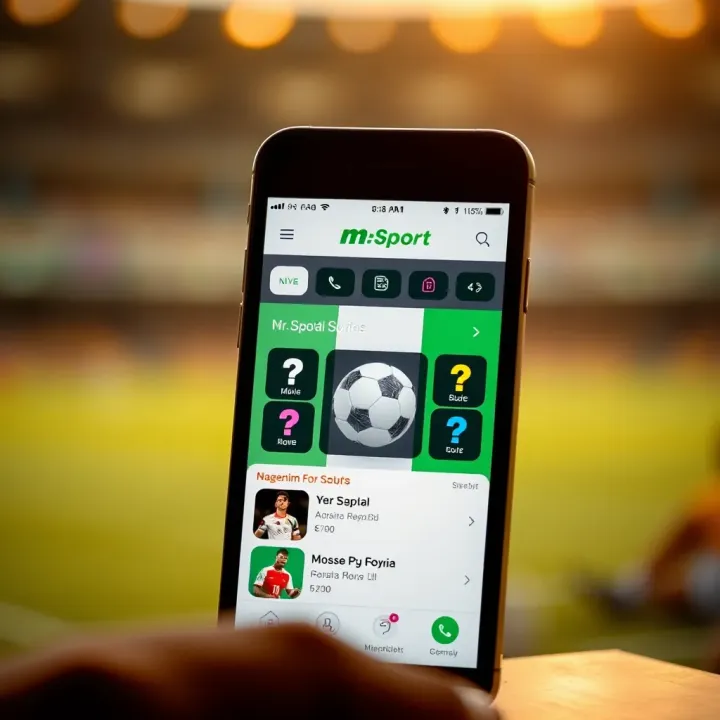
Discover how to apply for mSport in Nigeria 🏃♂️. Learn all steps, key features, and tips to get the best out of this digital sports platform tailored for Nigerian users 🇳🇬.

📲 Want to bet safely on Nigerian sports? Learn how to open MSport account, verify details, deposit ₦, place bets & withdraw winnings in this clear, practical guide.
Based on 8 reviews